
Bed Bug Control
24 hours response across London — from £299
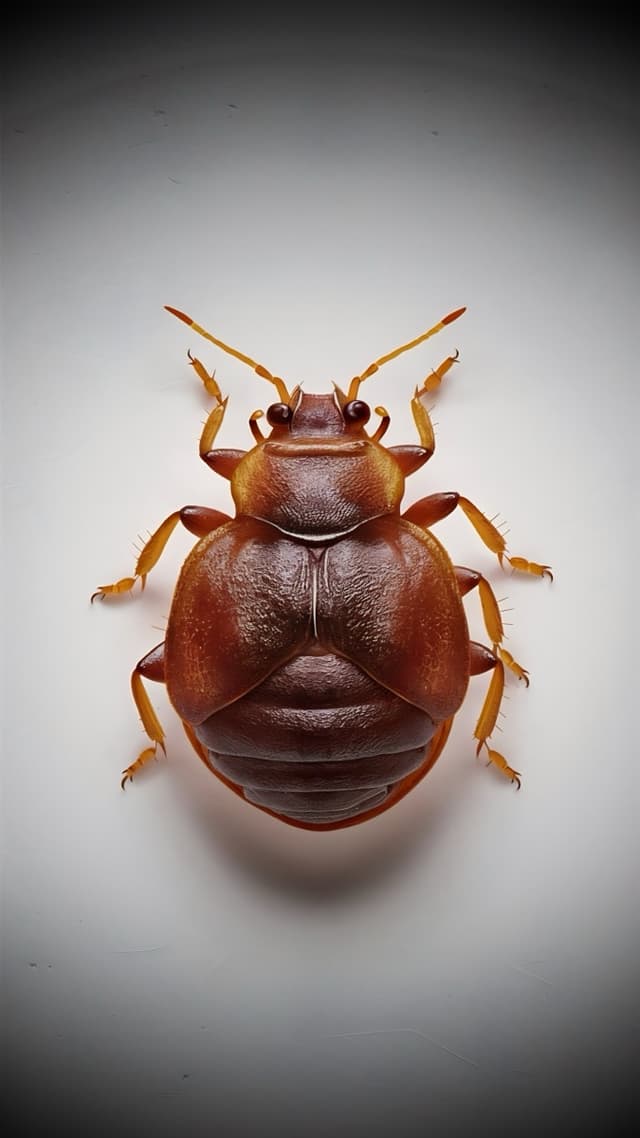
Blood-feeding parasites experiencing a major resurgence in London hotels and residential properties.
How to identify bed bugs
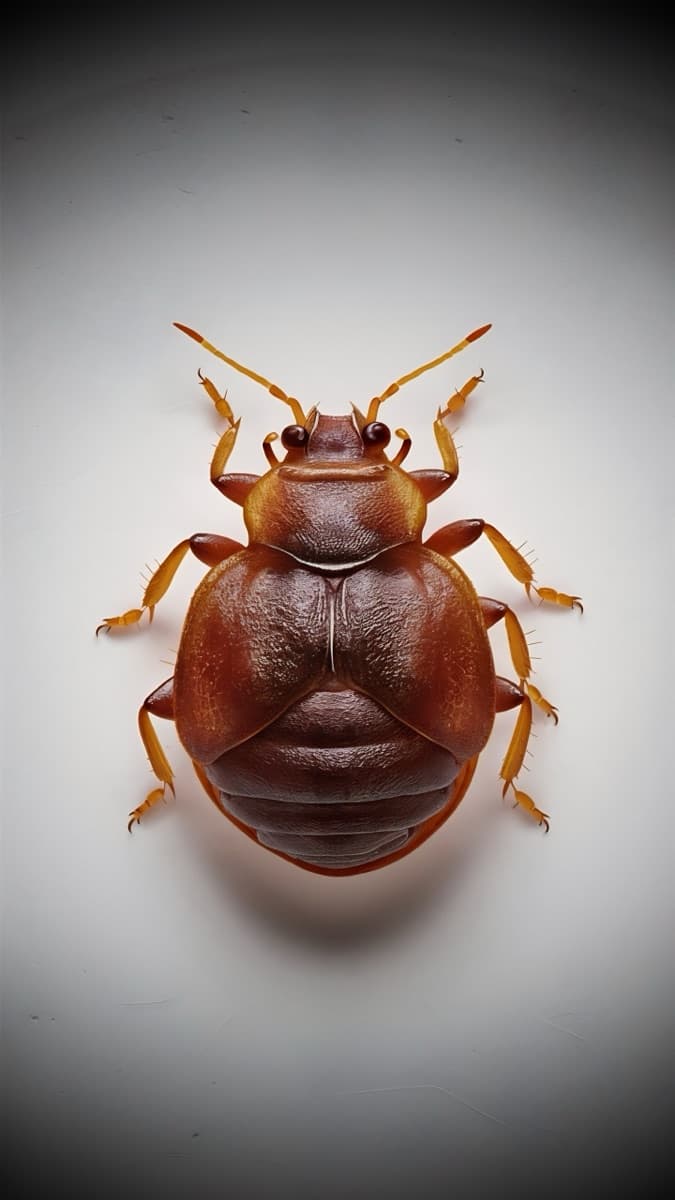
- Size
- Adults 4–5mm, roughly an apple pip
- Colour
- Reddish-brown, darker and rounder after feeding
- Active
- Year-round, slightly more active in warmer months
- Flat, oval body that swells after a blood meal
- Dark spotting along mattress seams and bed frame joints
- Shed amber skins around headboards
- Sweet, musty odour in heavy infestations
Commonly confused with: Frequently confused with carpet beetles and booklice. Bed bugs are flat and wingless; carpet beetles are rounded, patterned and can fly.
The bed bug lifecycle
Egg
6–10 daysCemented into cracks, 1mm and pearl white
Nymph
5 stages over 5–8 weeksNeeds a blood meal to moult each time
Adult
4–6 monthsFemales lay 2–5 eggs a day
Dormancy
Up to 12 monthsCan survive without feeding
Signs of bed bugs in your property
Health risks and property damage
Health risks
- Itchy, inflamed bite marks
- Severe sleep disruption
- Secondary skin infections
- Psychological distress
- Allergic reactions (rare)
Property damage
- Staining of mattresses and furniture
- Unpleasant sweet, musty odor
- Reputation damage for hotels
- Expensive furniture replacement
What to do before we arrive
Do this
- Strip bedding and wash at 60°C or above, then tumble dry hot
- Keep sleeping in the room — moving beds spreads them through the property
- Bag anything you remove before carrying it out of the room
- Pull the bed away from the wall and check the frame joints
Avoid this
- Do not move to another room or sofa — that is how a one-room problem becomes whole-house
- Do not throw out the mattress before treatment; it rarely helps and spreads them
- Do not use foggers or bug bombs — they drive bed bugs deeper into voids
- Do not treat only the bedroom in a shared house
How we treat bed bugs
Professional heat treatment or targeted insecticide application with follow-up inspections
Every treatment includes a follow-up visit and a written prevention plan. Our success rate on bed bugs is 98%, and we attend within 24 hours of your call.
Keeping bed bugs out for good
Where we find them
Bed Bugs facts
Bed Bug Control near you
We treat bed bugs across central London. Pick your area for local response times and pricing.
Frequently asked questions
How quickly can you treat bed bugs in London?
We aim to attend within 24 hours of your call anywhere in London, with a 24/7 line for urgent cases.
How much does bed bug treatment cost?
Bed Bugs treatment starts from £299. The final price depends on the size of the property and the extent of the infestation, and we confirm it in writing after the survey — there is no call-out charge.
How do I know if I have bed bugs?
The most reliable signs are: Red, itchy bite marks in lines; Blood spots on sheets; Dark/rust stains on mattresses; Sweet, musty odor in bedrooms. If you are seeing any of these, book a survey rather than waiting — bed bugs rarely resolve on their own.
How do you treat bed bugs?
Professional heat treatment or targeted insecticide application with follow-up inspections Our success rate on bed bugs is 98%, and treatment includes a follow-up visit and a written prevention plan.
Are bed bugs dangerous?
Bed Bugs are rated high risk. The main health concerns are itchy, inflamed bite marks, severe sleep disruption, secondary skin infections. They can also cause staining of mattresses and furniture.
How can I stop bed bugs coming back?
Inspect second-hand furniture; Check hotel rooms when traveling; Vacuum regularly around beds. We include a prevention plan with every treatment and can arrange scheduled monitoring for properties that have had repeat problems.