
Rat Control
2-4 hours response across London — from £149
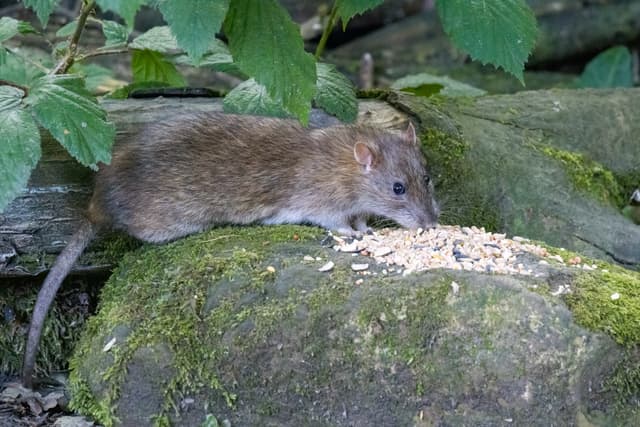
Brown rats and black rats are London's most serious pest problem, causing extensive property damage and health risks.
How to identify rats
- Size
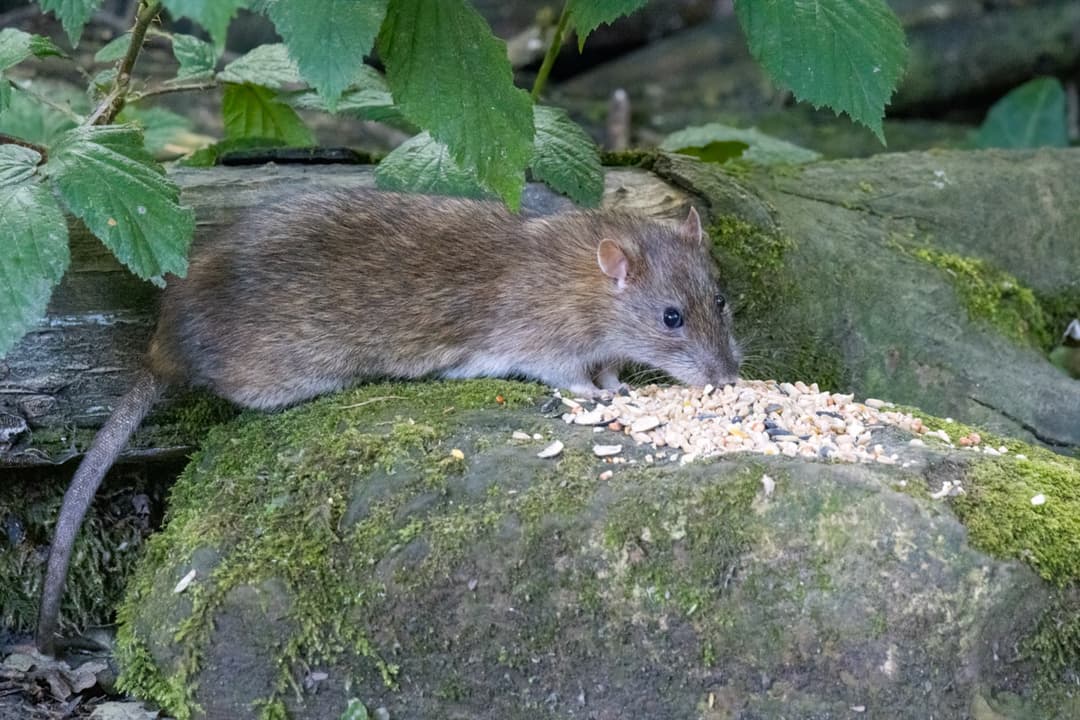
- Body 20–27cm, tail slightly shorter than the body
- Colour
- Brown-grey above, paler underneath
- Active
- Year-round, peak activity in autumn/winter
- Blunt nose and small ears set close to the head
- Thick, scaly tail shorter than the head and body
- Droppings 12–18mm, tapered at both ends
- Greasy smear marks along regular runs
Commonly confused with: Young rats are often mistaken for mice. Check the head — a young rat has a disproportionately large head and feet for its body, where a mouse is in proportion.
The rat lifecycle
Gestation
21–23 daysLitters of 6–11 pups
Blind and dependent
0–3 weeksPups stay in the nest
Weaning
3–4 weeksBegin foraging near the nest
Sexual maturity
8–12 weeksFemales can breed 5 times a year
Signs of rats in your property
Health risks and property damage
Health risks
- Weil's disease (Leptospirosis)
- Salmonella food poisoning
- Hantavirus pulmonary syndrome
- Rat-bite fever
- Plague (rare but possible)
Property damage
- Electrical wire damage causing fire risk
- Structural damage to insulation
- Contamination of food supplies
- Damage to wooden structures
What to do before we arrive
Do this
- Photograph any droppings and note where you found them
- Move pet food and dry goods into sealed hard containers
- Keep bins closed and off the ground where possible
- Note the times you hear activity — it helps us find the nest
Avoid this
- Do not block entry holes before treatment — it traps rats inside the structure
- Do not use shop-bought poison in a property with pets or children
- Do not handle droppings without gloves and a mask; Leptospirosis is airborne when dry
- Do not move infested materials to another room
How we treat rats
Professional baiting systems with rodenticides, followed by proofing and monitoring
Every treatment includes a follow-up visit and a written prevention plan. Our success rate on rats is 95%, and we attend within 2-4 hours of your call.
Keeping rats out for good
Where we find them
Rats facts
Rat Control near you
We treat rats across central London. Pick your area for local response times and pricing.
Frequently asked questions
How quickly can you treat rats in London?
We aim to attend within 2-4 hours of your call anywhere in London, with a 24/7 line for urgent cases.
How much does rat treatment cost?
Rats treatment starts from £149. The final price depends on the size of the property and the extent of the infestation, and we confirm it in writing after the survey — there is no call-out charge.
How do I know if I have rats?
The most reliable signs are: Droppings (12-18mm long, dark brown); Gnaw marks on wood, plastic, cables; Scratching sounds in walls/ceilings; Grease marks along walls. If you are seeing any of these, book a survey rather than waiting — rats rarely resolve on their own.
How do you treat rats?
Professional baiting systems with rodenticides, followed by proofing and monitoring Our success rate on rats is 95%, and treatment includes a follow-up visit and a written prevention plan.
Are rats dangerous?
Rats are rated high risk. The main health concerns are weil's disease (leptospirosis), salmonella food poisoning, hantavirus pulmonary syndrome. They can also cause electrical wire damage causing fire risk.
How can I stop rats coming back?
Seal holes larger than 6mm; Remove food sources and water; Trim vegetation away from buildings. We include a prevention plan with every treatment and can arrange scheduled monitoring for properties that have had repeat problems.