
House Spider Control
48 hours response across London — from £129
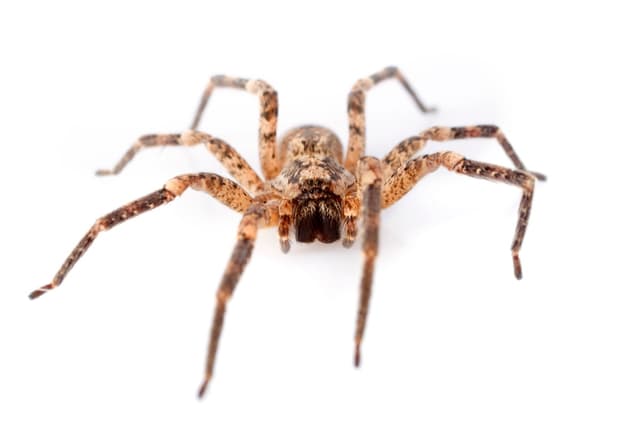
Common house spiders and giant house spiders create webs and can cause arachnophobia in London residents.
How to identify house spiders
- Size
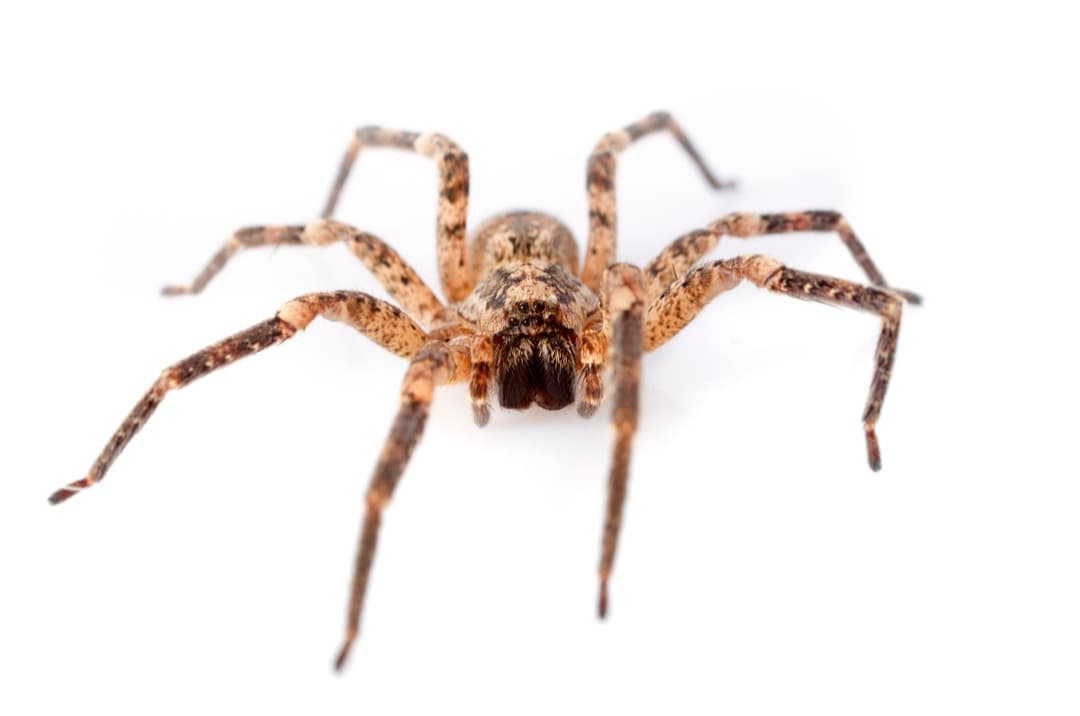
- Body 10–18mm; leg span up to 75mm
- Colour
- Brown with darker markings on the abdomen
- Active
- Most visible autumn when seeking mates, present year-round
- Sheet-like webs with a funnel retreat in corners
- Males roam in autumn looking for mates
- Long, hairy legs and a distinct pattern on the abdomen
- Egg sacs are pale, silky spheres in sheltered corners
Commonly confused with: Often reported as false widow spiders. False widows have a glossy, bulbous abdomen with cream markings and are smaller and rounder.
The house spider lifecycle
Egg sac
2–4 weeksUp to 60 eggs in a silk sphere
Spiderling
Several monthsDisperse and moult repeatedly
Sub-adult
OverwintersGrows through successive moults
Adult
1–2 yearsMales die shortly after mating
Signs of house spiders in your property
Health risks and property damage
Health risks
- Minimal health risks in UK
- Rare allergic reactions to bites
- Psychological distress (arachnophobia)
- Minor skin irritation from bites
Property damage
- Unsightly webs in corners
- Staining from web debris
- Customer complaints in businesses
- Aesthetic property issues
What to do before we arrive
Do this
- Remove webs and egg sacs with a vacuum, including the crevice tool along skirting
- Reduce clutter in lofts, garages and under-stairs cupboards
- Fit brush strips to gaps under external doors
- Deal with the flies and moths they feed on
Avoid this
- Do not assume every large spider is dangerous — UK species rarely bite
- Do not spray insecticide widely; targeted treatment of entry points works better
- Do not leave outside lights on at night; they draw in the insects spiders follow
- Do not ignore a sudden rise in numbers — it usually signals another pest
How we treat house spiders
Targeted residual spraying and web removal with ongoing monitoring
Every treatment includes a follow-up visit and a written prevention plan. Our success rate on house spiders is 92%, and we attend within 48 hours of your call.
Keeping house spiders out for good
Where we find them
House Spiders facts
House Spider Control near you
We treat house spiders across central London. Pick your area for local response times and pricing.
Frequently asked questions
How quickly can you treat house spiders in London?
We aim to attend within 48 hours of your call anywhere in London, with a 24/7 line for urgent cases.
How much does house spider treatment cost?
House Spiders treatment starts from £129. The final price depends on the size of the property and the extent of the infestation, and we confirm it in writing after the survey — there is no call-out charge.
How do I know if I have house spiders?
The most reliable signs are: Visible webs in corners and crevices; Live spiders in bathrooms/basements; Shed skins from molting; Small flying insects caught in webs. If you are seeing any of these, book a survey rather than waiting — house spiders rarely resolve on their own.
How do you treat house spiders?
Targeted residual spraying and web removal with ongoing monitoring Our success rate on house spiders is 92%, and treatment includes a follow-up visit and a written prevention plan.
Are house spiders dangerous?
House Spiders are rated low risk. The main health concerns are minimal health risks in uk, rare allergic reactions to bites, psychological distress (arachnophobia). They can also cause unsightly webs in corners.
How can I stop house spiders coming back?
Regular vacuuming of webs; Reduce other insect populations; Seal cracks and entry points. We include a prevention plan with every treatment and can arrange scheduled monitoring for properties that have had repeat problems.