

Mouse Control
4-6 hours response across London — from £129
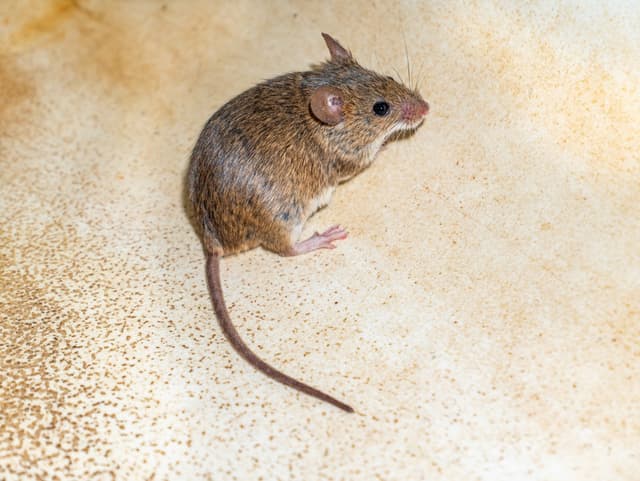
House mice are smaller but equally problematic, contaminating food and spreading disease throughout London properties.
How to identify mice
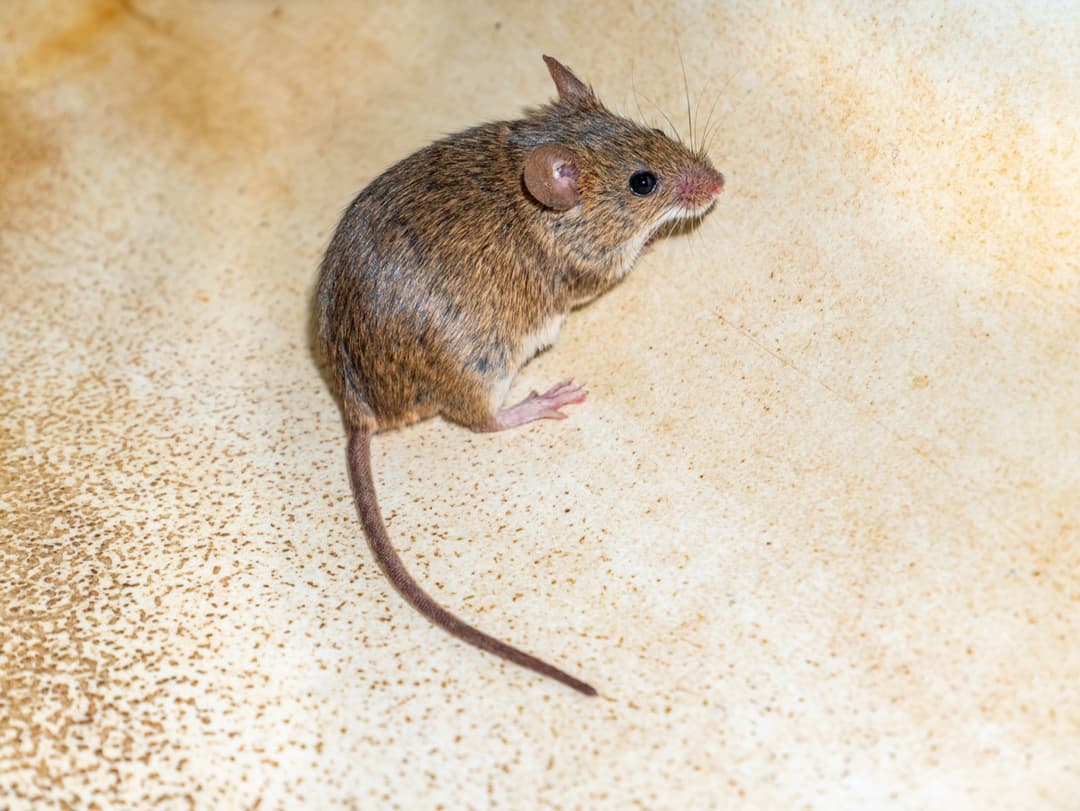
- Size
- Body 6–9cm, tail roughly equal to body length
- Colour
- Light brown to grey, lighter belly
- Active
- Year-round, increased indoor activity in winter
- Pointed nose with prominent ears and eyes
- Thin tail as long as the head and body
- Droppings 3–6mm, pointed at the ends
- Strong ammonia-like smell in enclosed spaces
Commonly confused with: Easily confused with young rats. Mice have large ears relative to the head and a proportionate body; young rats look top-heavy.
The mouse lifecycle
Gestation
19–21 daysLitters of 5–8 pups
Nest-bound
0–2 weeksBlind and hairless at birth
Weaning
3 weeksStart feeding independently
Sexual maturity
6–8 weeksBreeding begins almost immediately
Signs of mice in your property
Health risks and property damage
Health risks
- Salmonella contamination
- Lymphocytic choriomeningitis
- Allergic reactions from droppings
- Asthma triggers
Property damage
- Food contamination
- Fabric and paper damage
- Minor electrical damage
- Insulation contamination
What to do before we arrive
Do this
- Check behind and under kitchen appliances for droppings
- Transfer opened dry goods into sealed containers
- Clear clutter from the backs of cupboards so we can inspect
- Note which rooms you hear activity in and at what time
Avoid this
- Do not seal gaps until treatment is underway
- Do not rely on ultrasonic repellents — mice habituate within days
- Do not sweep dry droppings; dampen and wipe to avoid airborne particles
- Do not treat a single flat in a converted building in isolation
How we treat mice
Targeted baiting and trapping systems with follow-up monitoring
Every treatment includes a follow-up visit and a written prevention plan. Our success rate on mice is 92%, and we attend within 4-6 hours of your call.
Keeping mice out for good
Where we find them
Mice facts
Mouse Control near you
We treat mice across central London. Pick your area for local response times and pricing.
Frequently asked questions
How quickly can you treat mice in London?
We aim to attend within 4-6 hours of your call anywhere in London, with a 24/7 line for urgent cases.
How much does mouse treatment cost?
Mice treatment starts from £129. The final price depends on the size of the property and the extent of the infestation, and we confirm it in writing after the survey — there is no call-out charge.
How do I know if I have mice?
The most reliable signs are: Small droppings (3-6mm, pointed ends); Nibble marks on food packaging; Scratching sounds at night; Small footprints. If you are seeing any of these, book a survey rather than waiting — mice rarely resolve on their own.
How do you treat mice?
Targeted baiting and trapping systems with follow-up monitoring Our success rate on mice is 92%, and treatment includes a follow-up visit and a written prevention plan.
Are mice dangerous?
Mice are rated medium risk. The main health concerns are salmonella contamination, lymphocytic choriomeningitis, allergic reactions from droppings. They can also cause food contamination.
How can I stop mice coming back?
Seal cracks and holes with steel wool; Store food in sealed containers; Remove nesting materials. We include a prevention plan with every treatment and can arrange scheduled monitoring for properties that have had repeat problems.