
Squirrel Control
24 hours response across London — from £189
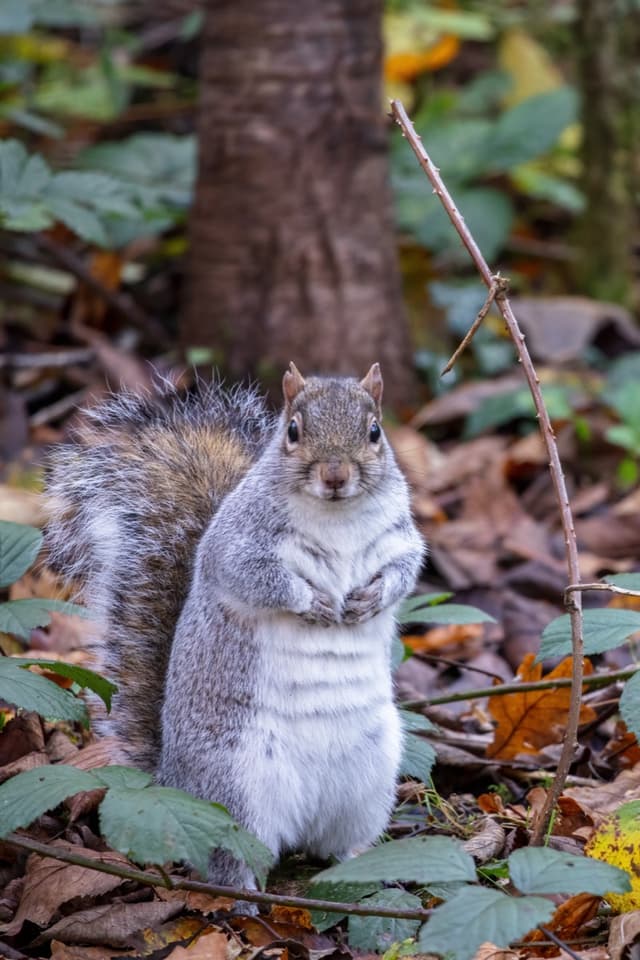
Grey squirrels cause significant property damage by gnawing and nesting in loft spaces across London.
How to identify squirrels
- Size
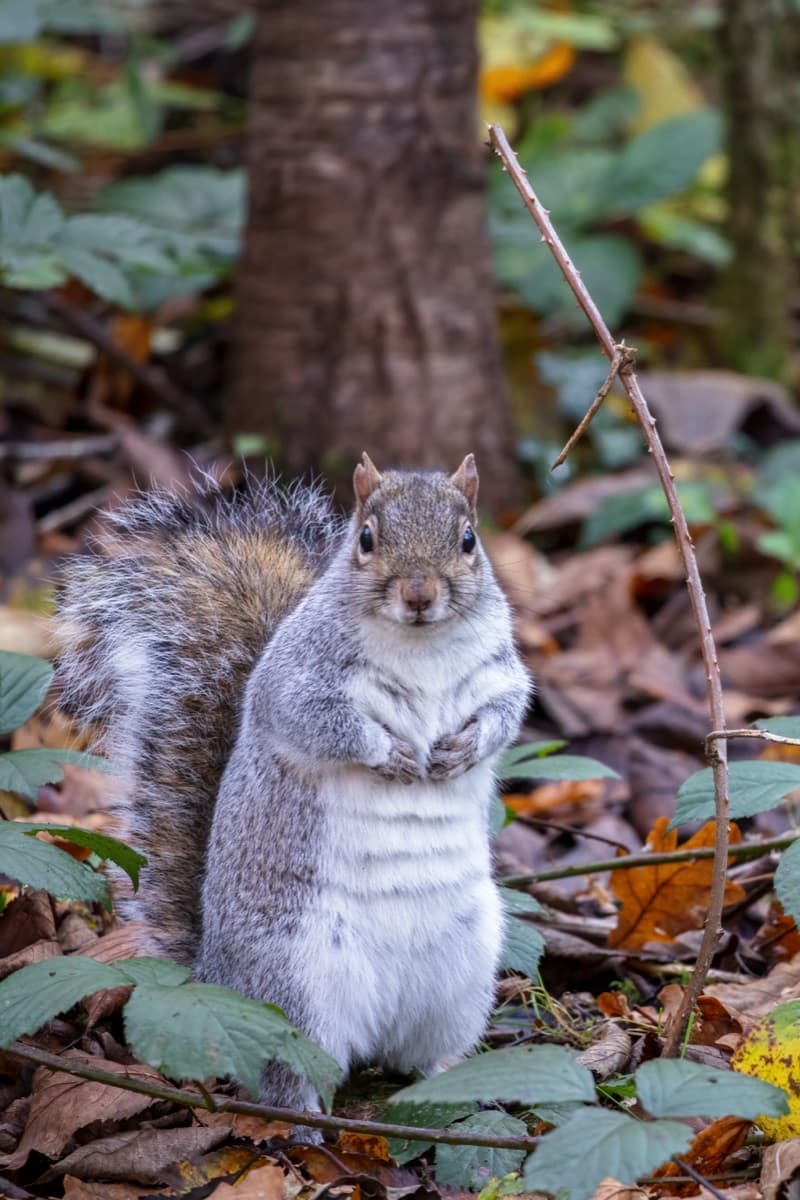
- Body 25–30cm plus a bushy tail of similar length
- Colour
- Grey with a white underside; russet tinge in summer
- Active
- Most active autumn/winter when seeking shelter
- Heavy scampering and rolling sounds in the loft by day
- Gnawed timber, cabling and stored items
- Entry at soffit, fascia or a loose roof tile
- Droppings larger and rounder than rat droppings
Commonly confused with: Loft noise is often blamed on rats. Squirrels are active in daylight and make heavier, less scurrying sounds; rats are nocturnal.
The squirrel lifecycle
Gestation
44 daysLitters of 3–7 kittens
Nest-bound
0–7 weeksBorn blind and hairless
Weaning
8–10 weeksBegin leaving the drey
Maturity
10–12 monthsTwo breeding seasons a year
Signs of squirrels in your property
Health risks and property damage
Health risks
- Potential disease transmission
- Tick and mite infestations
- Allergic reactions to droppings
- Stress from noise
Property damage
- Roof and loft damage
- Electrical wire damage
- Insulation destruction
- Garden and bird feeder damage
What to do before we arrive
Do this
- Note the time of day you hear activity — it separates squirrels from rats
- Check the roofline from outside for a worn entry point
- Keep the loft hatch closed
- Have any chewed electrical cabling checked by an electrician
Avoid this
- Do not block the entry during breeding season; young left inside will die in the void
- Do not approach a cornered squirrel — they bite hard when trapped
- Do not release a trapped grey squirrel; it is an offence under UK law
- Do not ignore gnawed cabling; it is a genuine fire risk
How we treat squirrels
Humane trapping and relocation with proofing measures
Every treatment includes a follow-up visit and a written prevention plan. Our success rate on squirrels is 94%, and we attend within 24 hours of your call.
Keeping squirrels out for good
Where we find them
Squirrels facts
Squirrel Control near you
We treat squirrels across central London. Pick your area for local response times and pricing.
Frequently asked questions
How quickly can you treat squirrels in London?
We aim to attend within 24 hours of your call anywhere in London, with a 24/7 line for urgent cases.
How much does squirrel treatment cost?
Squirrels treatment starts from £189. The final price depends on the size of the property and the extent of the infestation, and we confirm it in writing after the survey — there is no call-out charge.
How do I know if I have squirrels?
The most reliable signs are: Scratching sounds in roof; Droppings in loft spaces; Gnaw marks on wood; Damaged bird feeders. If you are seeing any of these, book a survey rather than waiting — squirrels rarely resolve on their own.
How do you treat squirrels?
Humane trapping and relocation with proofing measures Our success rate on squirrels is 94%, and treatment includes a follow-up visit and a written prevention plan.
Are squirrels dangerous?
Squirrels are rated medium risk. The main health concerns are potential disease transmission, tick and mite infestations, allergic reactions to droppings. They can also cause roof and loft damage.
How can I stop squirrels coming back?
Trim tree branches from roof; Secure bird feeders; Block entry points. We include a prevention plan with every treatment and can arrange scheduled monitoring for properties that have had repeat problems.