
Bee Control
24-48 hours response across London — from £199 (relocation preferred)
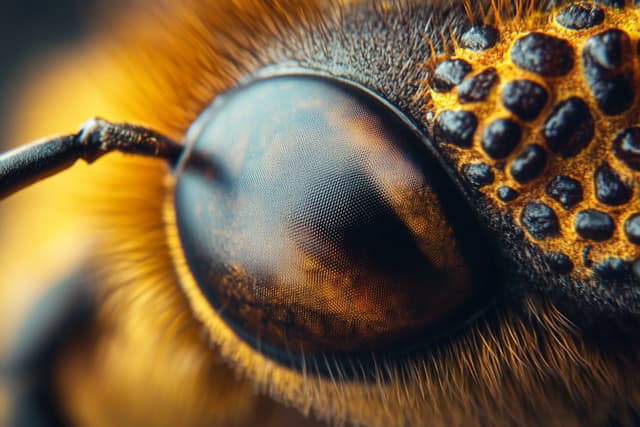
Honey bees and bumblebees occasionally require relocation when nesting in inappropriate locations.
How to identify bees
- Size
- Honey bees 12–15mm, bumblebees 15–25mm
- Colour
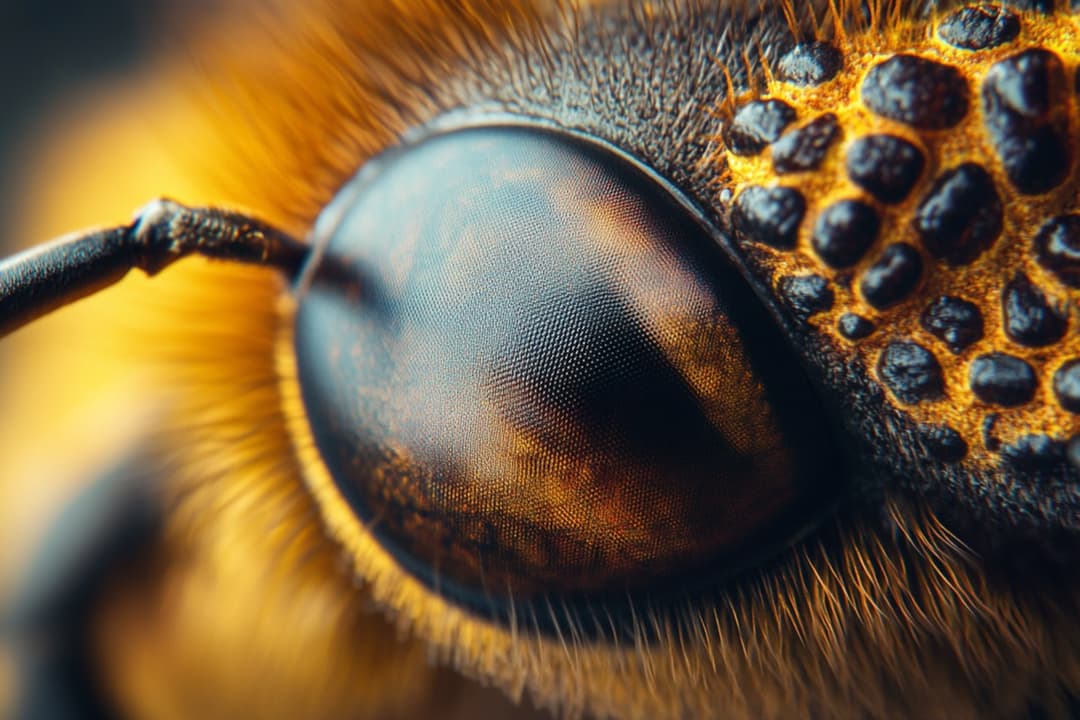
- Golden brown, furry; bumblebees banded black and yellow
- Active
- Active March-October, swarming April-July
- Visibly hairy body, unlike a wasp
- Pollen baskets on the hind legs of workers
- Honey bee swarms cluster in a dense ball
- Bumblebees nest in cavities, lofts and old rodent burrows
Commonly confused with: Commonly reported as wasps. If it is furry and brownish rather than smooth and bright yellow, it is a bee — and it should be relocated, not destroyed.
The bee lifecycle
Egg
3 daysLaid by the queen in a cell
Larva
6 daysFed by workers
Pupa
12 daysCell is capped
Adult worker
6 weeks in summerColony peaks in June and July
Signs of bees in your property
Health risks and property damage
Health risks
- Single sting capability (honey bees)
- Allergic reactions possible
- Swarm intimidation factor
- Multiple stings from disturbed colonies
Property damage
- Honey and wax staining
- Structural damage from large colonies
- Attraction of other pests to honey
- Property access issues
What to do before we arrive
Do this
- Keep a safe distance and let the swarm settle
- Take a photograph from a distance so we can identify the species
- Tell us if the colony is in a chimney, cavity or loft
- Contact us early — relocation is easier before comb is established
Avoid this
- Do not spray bees; most species are protected and relocation is preferred
- Do not block the entrance to a chimney or cavity colony
- Do not attempt to remove comb yourself — residual honey attracts other pests
- Do not assume a swarm is permanent; honey bee swarms often move on within days
How we treat bees
Professional relocation to suitable habitat (preferred) or targeted treatment if necessary
Every treatment includes a follow-up visit and a written prevention plan. Our success rate on bees is 95%, and we attend within 24-48 hours of your call.
Keeping bees out for good
Where we find them
Bees facts
Frequently asked questions
How quickly can you treat bees in London?
We aim to attend within 24-48 hours of your call anywhere in London, with a 24/7 line for urgent cases.
How much does bee treatment cost?
Bees treatment starts from £199 (relocation preferred). The final price depends on the size of the property and the extent of the infestation, and we confirm it in writing after the survey — there is no call-out charge.
How do I know if I have bees?
The most reliable signs are: Increased bee activity; Visible swarms or clusters; Honey/wax deposits; Buzzing sounds in walls. If you are seeing any of these, book a survey rather than waiting — bees rarely resolve on their own.
How do you treat bees?
Professional relocation to suitable habitat (preferred) or targeted treatment if necessary Our success rate on bees is 95%, and treatment includes a follow-up visit and a written prevention plan.
Are bees dangerous?
Bees are rated low risk. The main health concerns are single sting capability (honey bees), allergic reactions possible, swarm intimidation factor. They can also cause honey and wax staining.
How can I stop bees coming back?
Seal potential nesting cavities; Remove attractant flowering plants near buildings; Install bee-proof vents. We include a prevention plan with every treatment and can arrange scheduled monitoring for properties that have had repeat problems.