
Hornet Control
2 hours emergency response across London — from £199
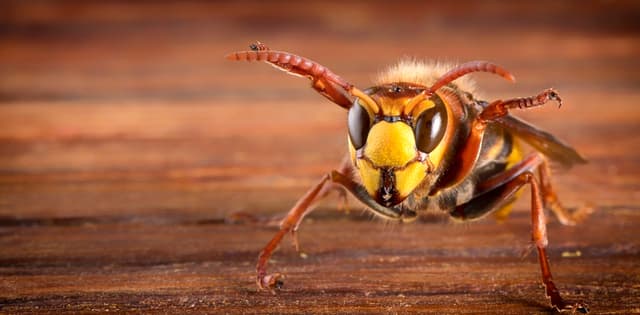
Large aggressive wasps that build substantial nests and pose serious stinging threats to London residents.
How to identify hornets
- Size
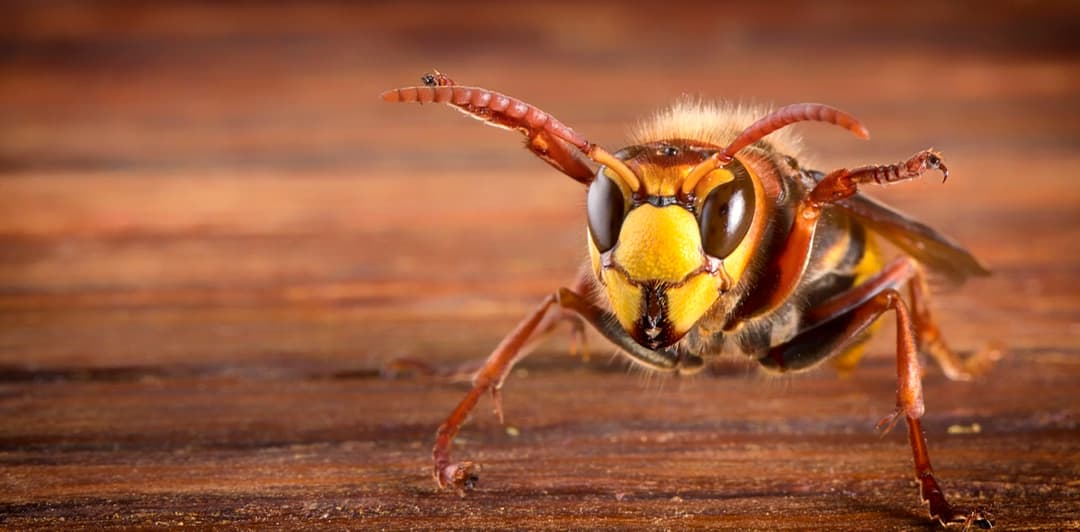
- 25–35mm — noticeably larger than a wasp
- Colour
- Brown and yellow with a russet thorax
- Active
- Active May-October, peak aggression late summer
- Deeper, louder flight sound than a wasp
- Nest usually in a hollow tree, loft or outbuilding
- Less aggressive than wasps unless the nest is threatened
- Active into the evening, often drawn to lights
Commonly confused with: The Asian hornet is a notifiable species — darker, with a distinct yellow leg tip. If you suspect one, report it and do not approach.
The hornet lifecycle
Queen emerges
April–MayFounds the nest alone
First workers
JuneColony begins to expand
Peak colony
August–SeptemberSeveral hundred hornets
Decline
October–NovemberNest is abandoned for good
Signs of hornets in your property
Health risks and property damage
Health risks
- Extremely painful stings
- Severe allergic reactions
- Multiple sting capability
- Potential anaphylactic shock
- Higher venom concentration than wasps
Property damage
- Large structural nests
- Tree and shrub damage
- Aggressive territorial behavior
- Property access restrictions
What to do before we arrive
Do this
- Keep well clear and restrict access to the area
- Photograph from a distance to confirm the species
- Close nearby windows, especially at dusk
- Report any suspected Asian hornet sighting to the authorities
Avoid this
- Do not attempt any DIY treatment — hornet stings are significantly more serious
- Do not block the nest entrance
- Do not use lights near the nest at night; hornets are drawn to them
- Do not disturb a nest in a confined space such as a loft
How we treat hornets
Specialist removal with full protective equipment and emergency protocols
Every treatment includes a follow-up visit and a written prevention plan. Our success rate on hornets is 98%, and we attend within 2 hours emergency of your call.
Keeping hornets out for good
Where we find them
Hornets facts
Frequently asked questions
How quickly can you treat hornets in London?
We aim to attend within 2 hours emergency of your call anywhere in London, with a 24/7 line for urgent cases.
How much does hornet treatment cost?
Hornets treatment starts from £199. The final price depends on the size of the property and the extent of the infestation, and we confirm it in writing after the survey — there is no call-out charge.
How do I know if I have hornets?
The most reliable signs are: Large yellow and black insects; Substantial paper nests; Loud buzzing sounds; Aggressive behavior when disturbed. If you are seeing any of these, book a survey rather than waiting — hornets rarely resolve on their own.
How do you treat hornets?
Specialist removal with full protective equipment and emergency protocols Our success rate on hornets is 98%, and treatment includes a follow-up visit and a written prevention plan.
Are hornets dangerous?
Hornets are rated high risk. The main health concerns are extremely painful stings, severe allergic reactions, multiple sting capability. They can also cause large structural nests.
How can I stop hornets coming back?
Seal large cavities and voids; Remove food sources; Professional nest monitoring. We include a prevention plan with every treatment and can arrange scheduled monitoring for properties that have had repeat problems.