
Dust Mite Control
48 hours response across London — from £199
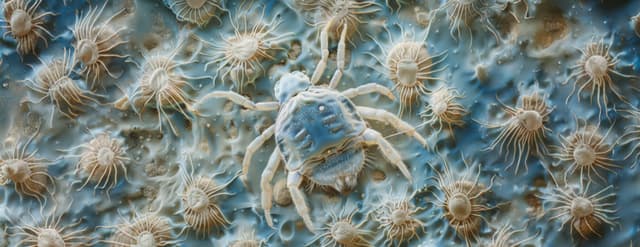
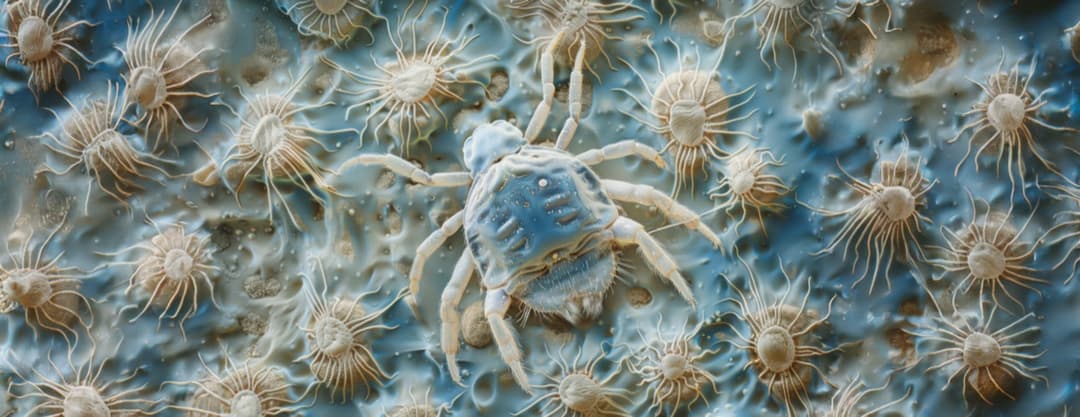
Microscopic arachnids that live in bedding and upholstery, major allergen source in UK homes.
How to identify dust mites
- Size
- 0.2–0.3mm — not visible to the naked eye
- Colour
- Translucent white
- Active
- Year-round, peak in humid conditions
- Never seen directly; identified by symptoms
- Worse in bedrooms, mattresses and soft furnishings
- Symptoms peak overnight and on waking
- Thrive above 50% relative humidity
Commonly confused with: Symptoms are often blamed on bed bugs or fleas. Dust mites do not bite — the reaction is allergic, not a bite mark.
The dust mite lifecycle
Egg
6–12 daysLaid in dust and bedding
Larva
1 weekSix-legged stage
Nymph
2 weeksTwo nymphal stages
Adult
1–3 monthsFemales lay 60–100 eggs
Signs of dust mites in your property
Health risks and property damage
Health risks
- Severe asthma triggers
- Allergic rhinitis
- Eczema exacerbation
- Sleep quality issues
Property damage
- Reduced indoor air quality
- Mattress and furniture infestation
- Carpet contamination
- Fabric degradation
What to do before we arrive
Do this
- Wash bedding weekly at 60°C
- Fit allergen-proof mattress and pillow covers
- Reduce humidity below 50% with ventilation
- Vacuum with a HEPA-filter machine
Avoid this
- Do not expect insecticide to solve it; this is about humidity and allergen load
- Do not dry laundry indoors on radiators — it raises humidity
- Do not keep soft toys and heavy drapes in an affected bedroom
- Do not assume a clean home is immune; mites feed on skin scale
How we treat dust mites
Comprehensive allergen reduction program with specialized treatments
Every treatment includes a follow-up visit and a written prevention plan. Our success rate on dust mites is 92%, and we attend within 48 hours of your call.
Keeping dust mites out for good
Where we find them
Dust Mites facts
Frequently asked questions
How quickly can you treat dust mites in London?
We aim to attend within 48 hours of your call anywhere in London, with a 24/7 line for urgent cases.
How much does dust mite treatment cost?
Dust Mites treatment starts from £199. The final price depends on the size of the property and the extent of the infestation, and we confirm it in writing after the survey — there is no call-out charge.
How do I know if I have dust mites?
The most reliable signs are: Persistent allergic symptoms; Dust accumulation; Musty bedroom odors; Worsening asthma indoors. If you are seeing any of these, book a survey rather than waiting — dust mites rarely resolve on their own.
How do you treat dust mites?
Comprehensive allergen reduction program with specialized treatments Our success rate on dust mites is 92%, and treatment includes a follow-up visit and a written prevention plan.
Are dust mites dangerous?
Dust Mites are rated medium risk. The main health concerns are severe asthma triggers, allergic rhinitis, eczema exacerbation. They can also cause reduced indoor air quality.
How can I stop dust mites coming back?
Wash bedding at 60°C weekly; Use allergen-proof covers; Maintain low humidity. We include a prevention plan with every treatment and can arrange scheduled monitoring for properties that have had repeat problems.