
Flea Control
24 hours response across London — from £179
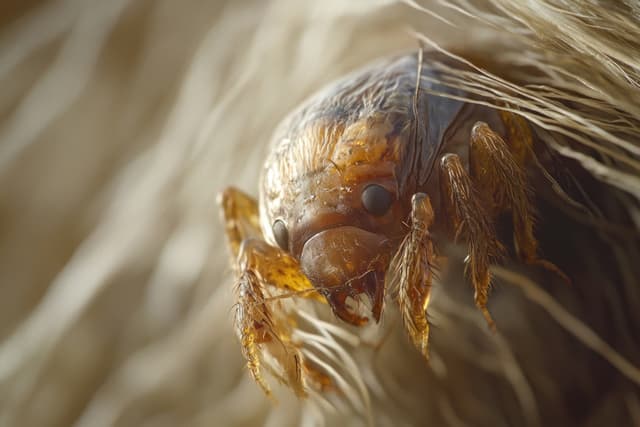
Cat fleas and dog fleas infest carpets and furniture, biting humans and pets in London homes.
How to identify fleas
- Size
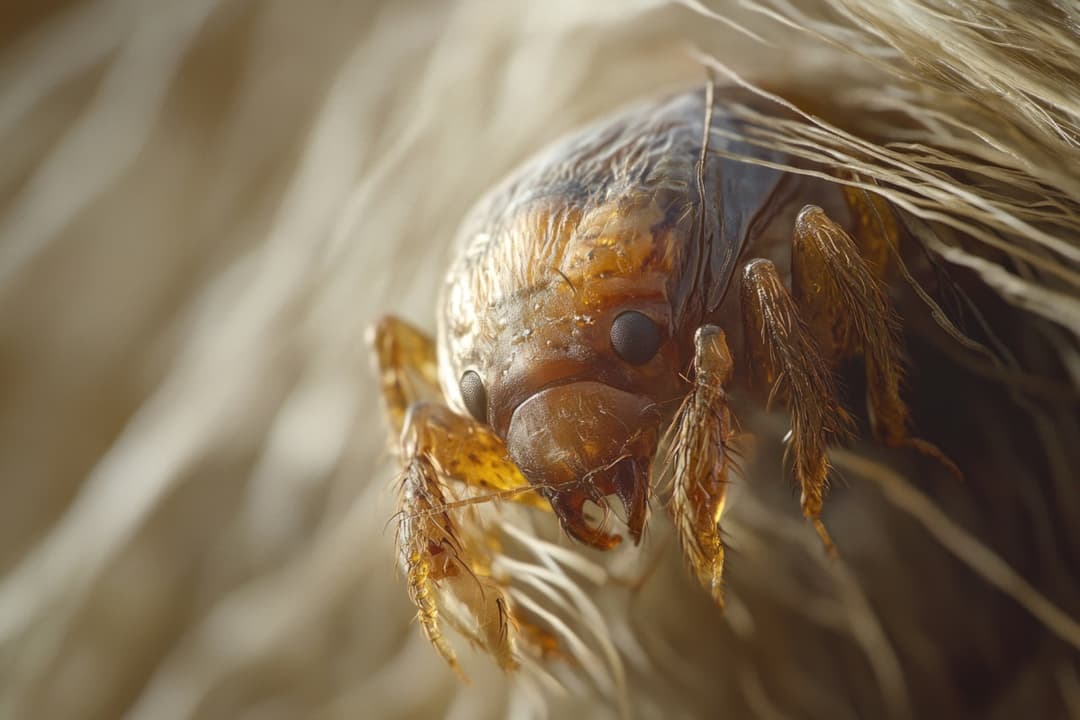
- 1.5–3.5mm
- Colour
- Dark reddish-brown
- Active
- Year-round indoors, peak activity summer months
- Flattened side-to-side, allowing movement through fur
- Jump up to 30cm — far higher than they can walk
- Bites clustered around ankles and lower legs
- Black 'flea dirt' that turns red-brown when damp
Commonly confused with: Confused with bed bugs when bites appear. Flea bites cluster on the lower legs; bed bug bites are usually on exposed skin at night.
The flea lifecycle
Egg
2–10 daysFalls from the host into carpet and bedding
Larva
1–2 weeksFeeds on organic debris deep in carpet pile
Pupa
1 week to 12 monthsWaits for vibration and warmth to emerge
Adult
2–3 monthsFeeds within hours of emerging
Signs of fleas in your property
Health risks and property damage
Health risks
- Itchy, inflamed bite marks
- Allergic reactions in sensitive individuals
- Secondary infections from scratching
- Disease transmission (rare in UK)
- Pet health issues
Property damage
- Carpet and furniture infestation
- Pet discomfort and health issues
- Difficult to eliminate without treatment
- Rapid population growth
What to do before we arrive
Do this
- Treat pets with a vet-approved product at the same time as the property
- Vacuum thoroughly every day, including under furniture, and empty outside
- Wash pet bedding at 60°C
- Keep the property occupied — vibration triggers pupae to hatch into the treatment
Avoid this
- Do not leave the property empty after treatment; dormant pupae will not emerge
- Do not treat the house without treating the animal, or the cycle restarts
- Do not shampoo carpets immediately after treatment — it lifts the residual
- Do not assume no pet means no fleas; they persist for months in an empty property
How we treat fleas
Comprehensive treatment of property and pets with residual insecticides and growth regulators
Every treatment includes a follow-up visit and a written prevention plan. Our success rate on fleas is 94%, and we attend within 24 hours of your call.
Keeping fleas out for good
Where we find them
Fleas facts
Flea Control near you
We treat fleas across central London. Pick your area for local response times and pricing.
Frequently asked questions
How quickly can you treat fleas in London?
We aim to attend within 24 hours of your call anywhere in London, with a 24/7 line for urgent cases.
How much does flea treatment cost?
Fleas treatment starts from £179. The final price depends on the size of the property and the extent of the infestation, and we confirm it in writing after the survey — there is no call-out charge.
How do I know if I have fleas?
The most reliable signs are: Pets scratching excessively; Small jumping insects on pets/carpets; Bite marks on ankles and legs; Black specks (flea dirt) in pet bedding. If you are seeing any of these, book a survey rather than waiting — fleas rarely resolve on their own.
How do you treat fleas?
Comprehensive treatment of property and pets with residual insecticides and growth regulators Our success rate on fleas is 94%, and treatment includes a follow-up visit and a written prevention plan.
Are fleas dangerous?
Fleas are rated medium risk. The main health concerns are itchy, inflamed bite marks, allergic reactions in sensitive individuals, secondary infections from scratching. They can also cause carpet and furniture infestation.
How can I stop fleas coming back?
Regular pet flea treatments; Frequent vacuuming of carpets; Wash pet bedding regularly. We include a prevention plan with every treatment and can arrange scheduled monitoring for properties that have had repeat problems.