
Ant Control
24 hours response across London — from £139
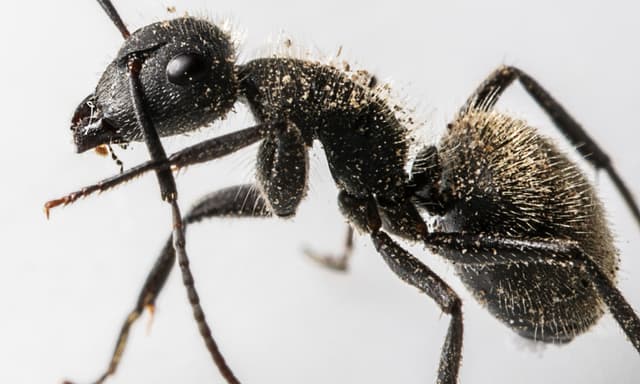
Multiple ant species including Garden ants, Pharaoh ants, and Ghost ants form massive colonies across London.
How to identify ants
- Size
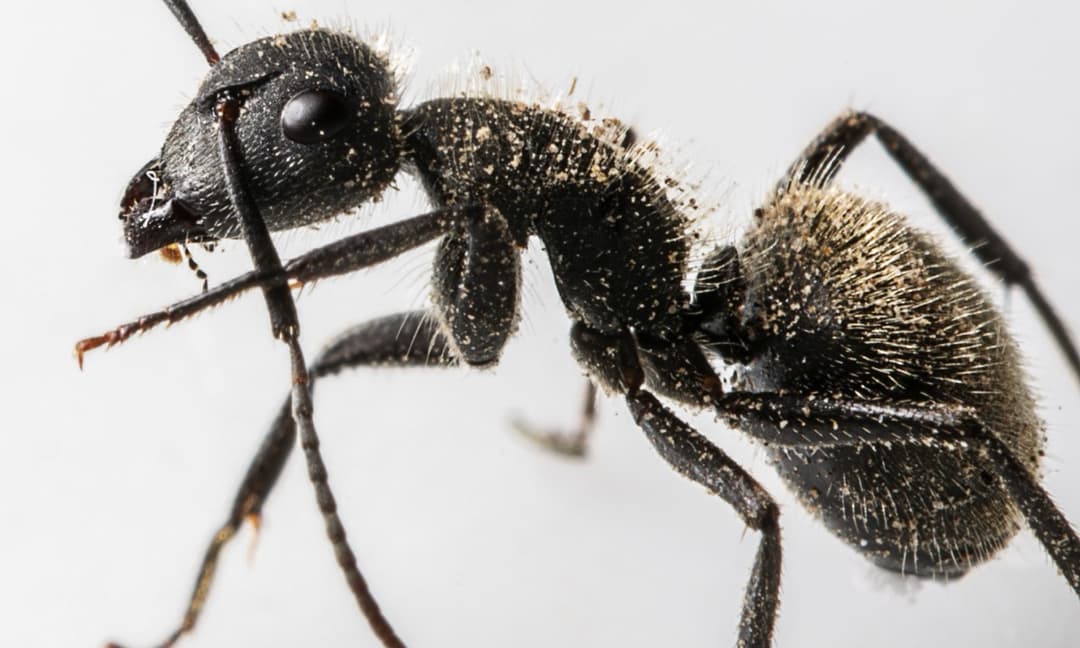
- Garden ants 4–5mm workers, queens up to 15mm
- Colour
- Dark brown to black; Pharaoh ants pale yellow-brown
- Active
- Active March-October, peak summer months
- Elbowed antennae and a narrow waist
- Distinct trails between the nest and a food source
- Winged queens appear in a single mass flight in July or August
- Small piles of fine soil at pavement cracks
Commonly confused with: Flying ants are often mistaken for termites. Ants have elbowed antennae and a pinched waist; termites have straight antennae and a uniform body.
The ant lifecycle
Egg
10–14 daysLaid continuously by the queen
Larva
2–3 weeksFed by worker ants
Pupa
2–3 weeksOften mistaken for eggs
Adult worker
Up to 12 monthsQueens live several years
Signs of ants in your property
Health risks and property damage
Health risks
- Food contamination
- Pharaoh ants spread hospital infections
- Allergic reactions to bites
- Secondary infections from scratching
Property damage
- Structural damage to foundations
- Garden and lawn damage
- Electrical equipment interference
- Food supply contamination
What to do before we arrive
Do this
- Follow the trail and note where it enters the building
- Wipe trails with detergent to break the pheromone path
- Store sugar, honey and syrups in sealed containers
- Leave a few ants visible so the technician can trace the route
Avoid this
- Do not spray the trail with insecticide before we visit — it stops us finding the nest
- Do not use boiling water on nests near paving or foundations
- Do not put down multiple competing baits at once
- Do not assume the nest is indoors; most garden ant nests are outside
How we treat ants
Professional baiting systems targeting entire colonies with delayed-action insecticides
Every treatment includes a follow-up visit and a written prevention plan. Our success rate on ants is 90%, and we attend within 24 hours of your call.
Keeping ants out for good
Where we find them
Ants facts
Ant Control near you
We treat ants across central London. Pick your area for local response times and pricing.
Frequently asked questions
How quickly can you treat ants in London?
We aim to attend within 24 hours of your call anywhere in London, with a 24/7 line for urgent cases.
How much does ant treatment cost?
Ants treatment starts from £139. The final price depends on the size of the property and the extent of the infestation, and we confirm it in writing after the survey — there is no call-out charge.
How do I know if I have ants?
The most reliable signs are: Ant trails leading to food sources; Small piles of soil/debris; Live ants in kitchen areas; Sweet/musty odors. If you are seeing any of these, book a survey rather than waiting — ants rarely resolve on their own.
How do you treat ants?
Professional baiting systems targeting entire colonies with delayed-action insecticides Our success rate on ants is 90%, and treatment includes a follow-up visit and a written prevention plan.
Are ants dangerous?
Ants are rated medium risk. The main health concerns are food contamination, pharaoh ants spread hospital infections, allergic reactions to bites. They can also cause structural damage to foundations.
How can I stop ants coming back?
Remove food sources and spills; Seal entry points; Fix moisture problems. We include a prevention plan with every treatment and can arrange scheduled monitoring for properties that have had repeat problems.