
Silverfish Control
48 hours response across London — from £139
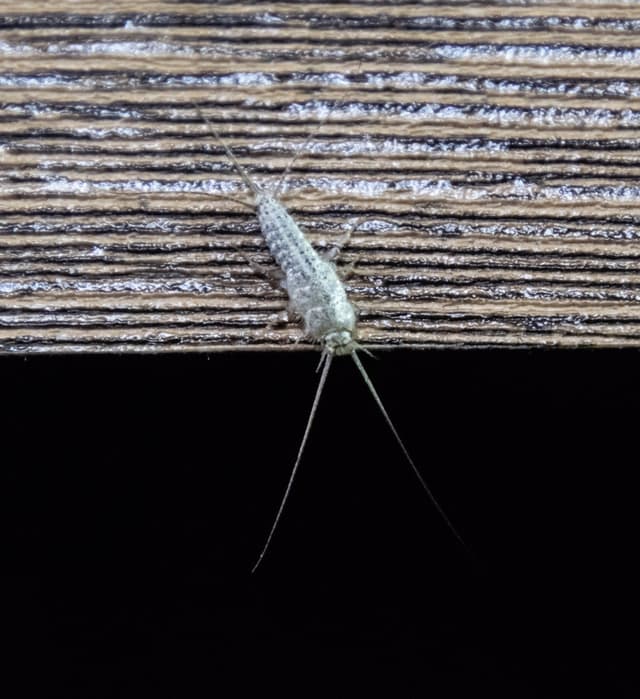
Primitive wingless insects that damage books, wallpaper, and starchy materials in damp London properties.
How to identify silverfish
- Size
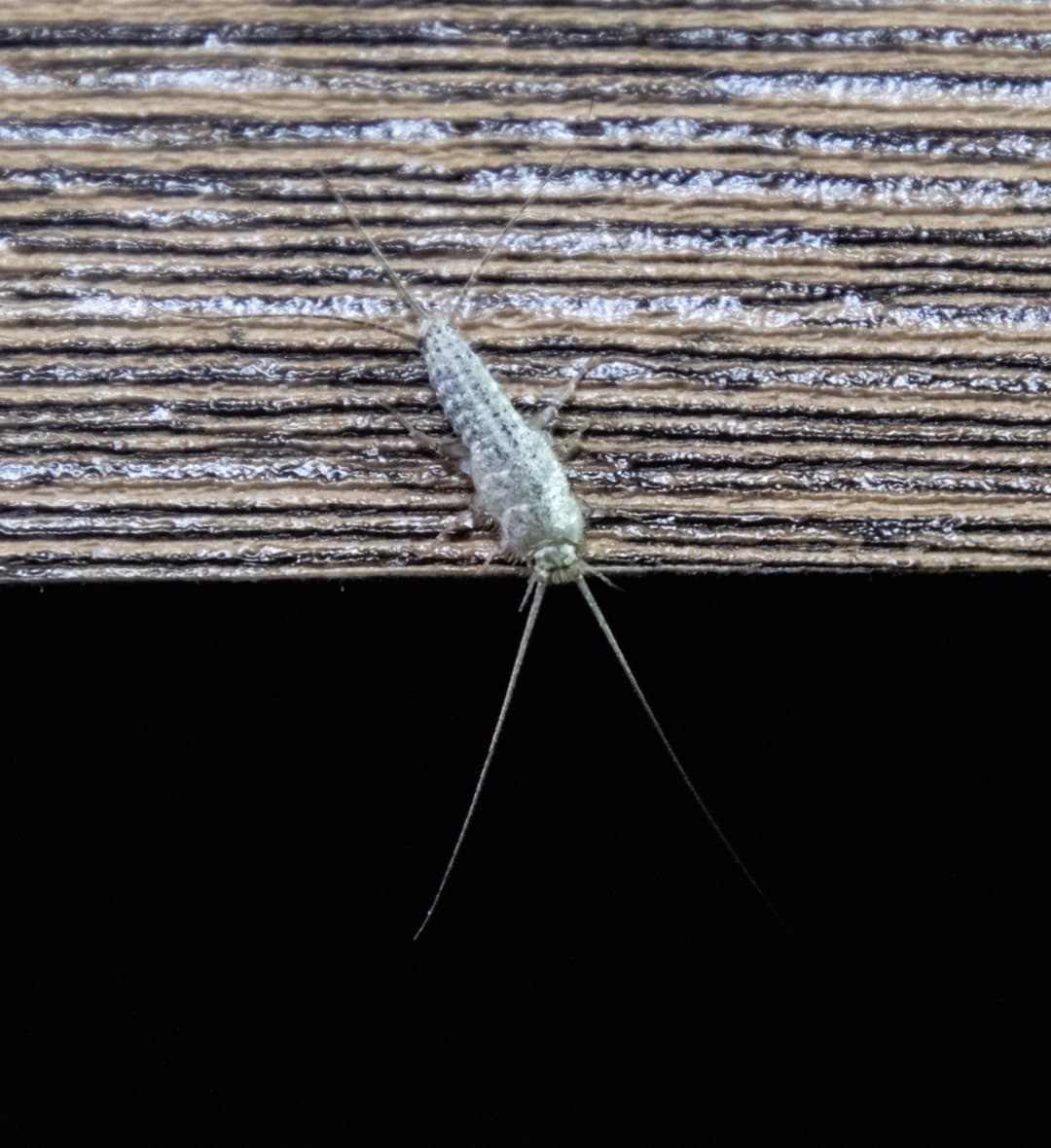
- 12–19mm
- Colour
- Silver-grey, metallic sheen
- Active
- Year-round, prefer warm humid conditions
- Teardrop body tapering to three tail bristles
- Fast, fish-like wriggling movement
- Nocturnal; scatter when a light is switched on
- Irregular grazing on paper, wallpaper paste and book bindings
Commonly confused with: Confused with firebrats, which prefer hotter locations such as around boilers and ovens.
The silverfish lifecycle
Egg
2 weeks to 2 monthsLaid in cracks and crevices
Nymph
3–4 monthsResembles a small adult
Adult
2–8 yearsContinues moulting throughout life
Maturity
3–4 monthsFaster in warm, humid conditions
Signs of silverfish in your property
Health risks and property damage
Health risks
- No direct health risks
- Contamination of food products
- Allergic reactions (rare)
Property damage
- Book and paper damage
- Wallpaper destruction
- Fabric holes
- Photograph damage
What to do before we arrive
Do this
- Reduce humidity — improve ventilation in bathrooms and basements
- Move stored paper and cardboard off damp floors
- Fix any leaks under sinks and around pipework
- Check behind bath panels and in airing cupboards
Avoid this
- Do not treat without addressing the damp; they will return
- Do not store books and documents directly against external walls
- Do not assume they indicate poor hygiene — moisture is the driver
- Do not seal a damp void without ventilating it first
How we treat silverfish
Residual insecticide treatment and moisture control
Every treatment includes a follow-up visit and a written prevention plan. Our success rate on silverfish is 89%, and we attend within 48 hours of your call.
Keeping silverfish out for good
Where we find them
Silverfish facts
Silverfish Control near you
We treat silverfish across central London. Pick your area for local response times and pricing.
Frequently asked questions
How quickly can you treat silverfish in London?
We aim to attend within 48 hours of your call anywhere in London, with a 24/7 line for urgent cases.
How much does silverfish treatment cost?
Silverfish treatment starts from £139. The final price depends on the size of the property and the extent of the infestation, and we confirm it in writing after the survey — there is no call-out charge.
How do I know if I have silverfish?
The most reliable signs are: Silver, fish-like insects; Yellow stains on materials; Small holes in paper/fabric; Shed skins. If you are seeing any of these, book a survey rather than waiting — silverfish rarely resolve on their own.
How do you treat silverfish?
Residual insecticide treatment and moisture control Our success rate on silverfish is 89%, and treatment includes a follow-up visit and a written prevention plan.
Are silverfish dangerous?
Silverfish are rated low risk. The main health concerns are no direct health risks, contamination of food products, allergic reactions (rare). They can also cause book and paper damage.
How can I stop silverfish coming back?
Reduce humidity levels; Seal cracks and crevices; Remove paper clutter. We include a prevention plan with every treatment and can arrange scheduled monitoring for properties that have had repeat problems.