
Woodworm Control
48 hours response across London — from £299
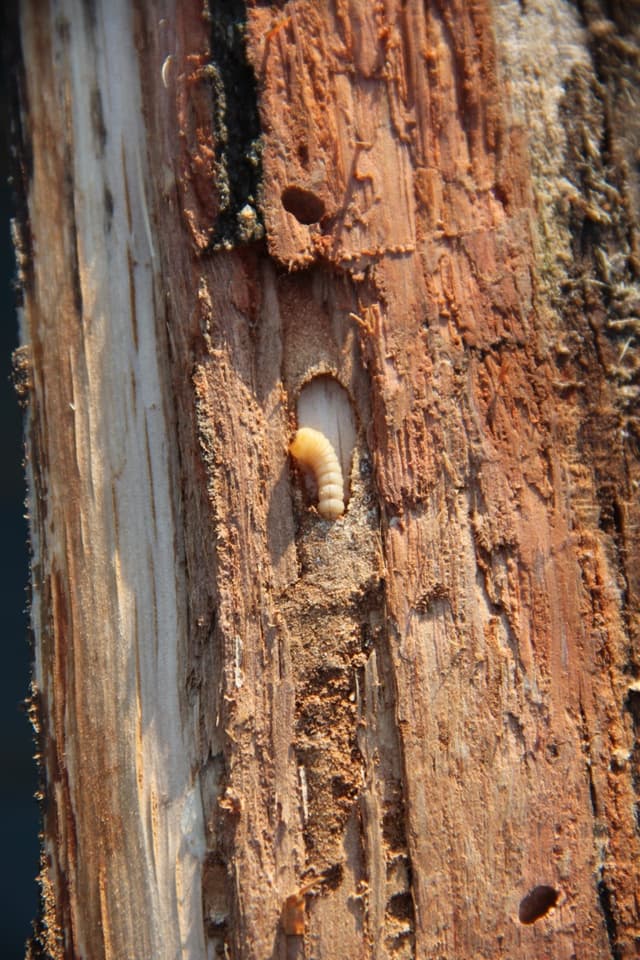
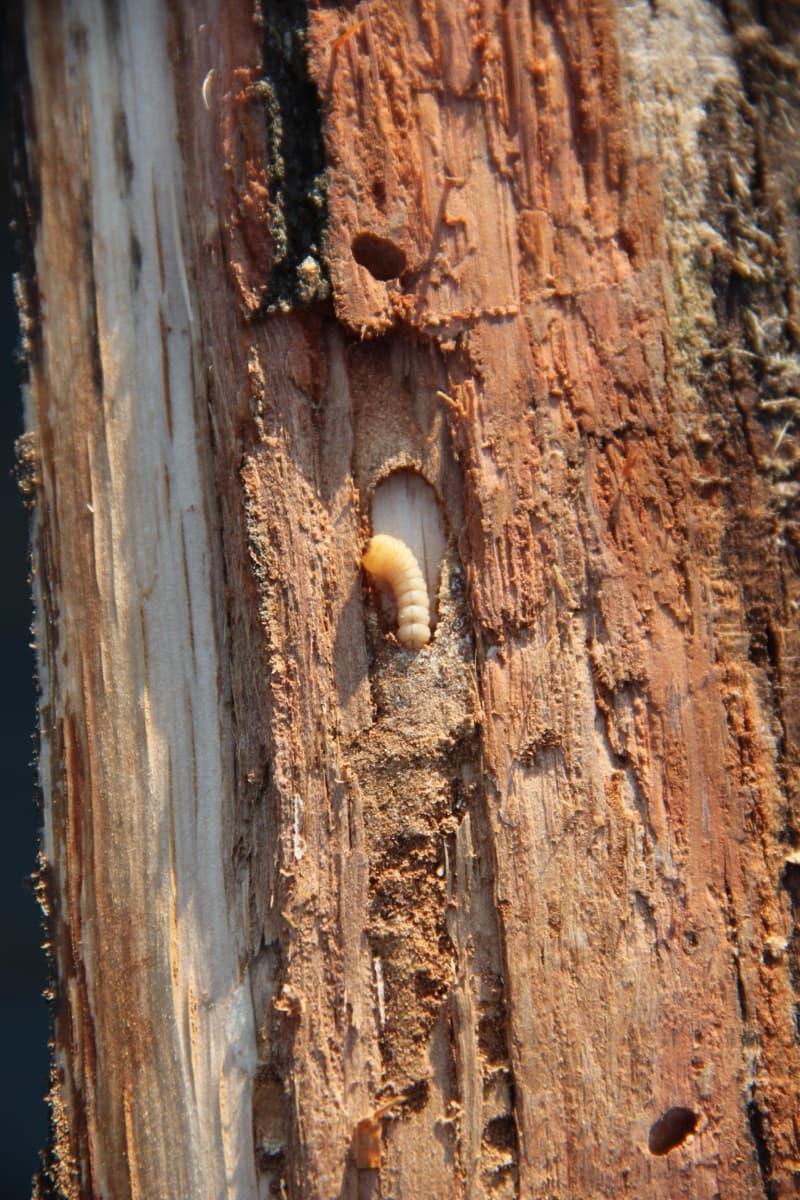
Common furniture beetle larvae that bore through wooden structures, causing serious structural damage.
How to identify woodworm
- Size
- Beetles 2.5–5mm; exit holes 1–2mm
- Colour
- Reddish to dark brown
- Active
- Adults emerge May-August, larvae active year-round
- Round exit holes with sharp, clean edges
- Fine, gritty frass beneath affected timber
- Weakened or crumbling timber edges
- Adult beetles on windowsills between May and September
Commonly confused with: Old, inactive holes are often mistaken for a live infestation. Fresh holes are pale inside with clean frass; old ones are dark and dusty.
The woodworm lifecycle
Egg
2–5 weeksLaid in cracks and old exit holes
Larva
2–5 yearsTunnels through the timber — the damaging stage
Pupa
6–8 weeksJust below the timber surface
Adult
10–14 daysEmerges, mates and lays
Signs of woodworm in your property
Health risks and property damage
Health risks
- No direct health risks
- Dust from boring can cause respiratory irritation
Property damage
- Serious structural timber damage
- Furniture destruction
- Flooring damage
- Expensive repair costs
What to do before we arrive
Do this
- Mark a few exit holes with a pencil ring and check for new ones next spring
- Reduce moisture — woodworm needs damp timber to thrive
- Improve sub-floor and loft ventilation
- Keep any beetles you find for identification
Avoid this
- Do not assume every hole means an active infestation
- Do not paint or seal timber before a survey; it hides the evidence
- Do not ignore structural timbers — joists matter more than furniture
- Do not treat without identifying the species; treatment differs
How we treat woodworm
Professional timber treatment with specialized insecticides and wood preservatives
Every treatment includes a follow-up visit and a written prevention plan. Our success rate on woodworm is 96%, and we attend within 48 hours of your call.
Keeping woodworm out for good
Where we find them
Woodworm facts
Woodworm Control near you
We treat woodworm across central London. Pick your area for local response times and pricing.
Frequently asked questions
How quickly can you treat woodworm in London?
We aim to attend within 48 hours of your call anywhere in London, with a 24/7 line for urgent cases.
How much does woodworm treatment cost?
Woodworm treatment starts from £299. The final price depends on the size of the property and the extent of the infestation, and we confirm it in writing after the survey — there is no call-out charge.
How do I know if I have woodworm?
The most reliable signs are: Small round holes in wood (1-2mm); Fine powdery dust (frass); Weak or damaged timber; Adult beetles (May-August). If you are seeing any of these, book a survey rather than waiting — woodworm rarely resolve on their own.
How do you treat woodworm?
Professional timber treatment with specialized insecticides and wood preservatives Our success rate on woodworm is 96%, and treatment includes a follow-up visit and a written prevention plan.
Are woodworm dangerous?
Woodworm are rated high risk. The main health concerns are no direct health risks, dust from boring can cause respiratory irritation. They can also cause serious structural timber damage.
How can I stop woodworm coming back?
Maintain low humidity; Treat timber with preservatives; Regular inspections. We include a prevention plan with every treatment and can arrange scheduled monitoring for properties that have had repeat problems.