
Centipede Control
48 hours response across London — from £129
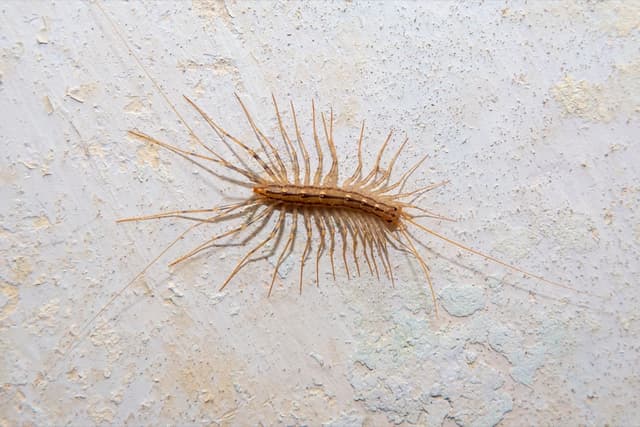
Fast-moving arthropods with many legs that hunt other insects in damp areas of properties.
How to identify centipedes
- Size
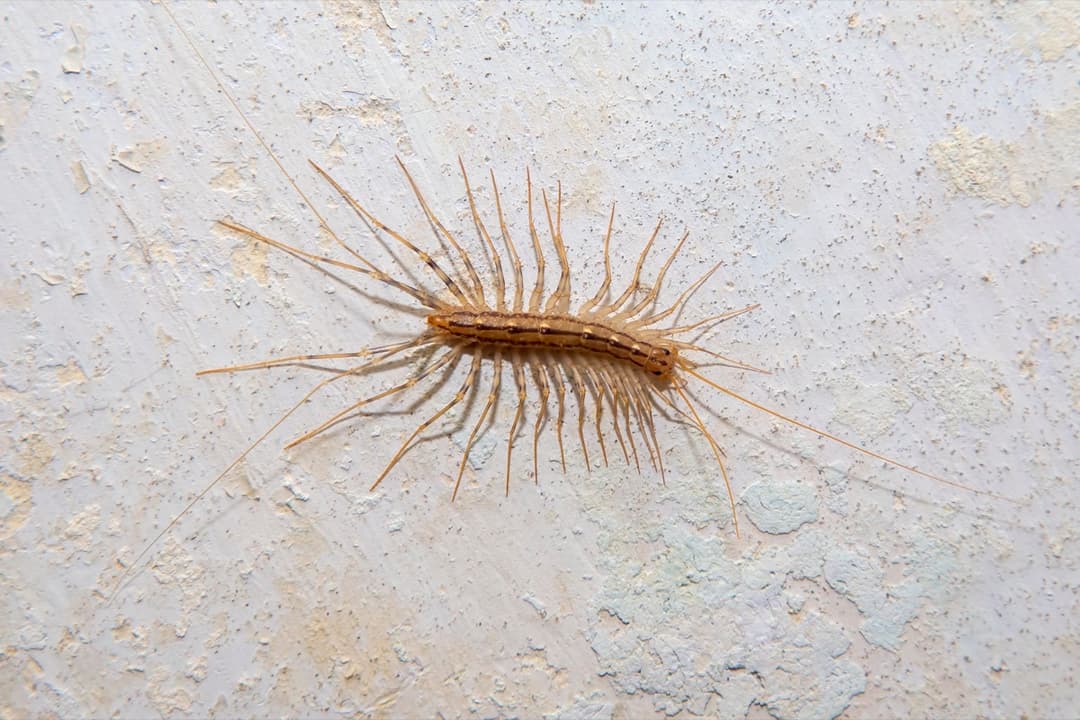
- 18–30mm for common house species
- Colour
- Chestnut brown to yellow-grey
- Active
- More active in warm, humid conditions
- One pair of legs per body segment
- Very fast, darting movement when disturbed
- Long antennae and a flattened body
- Found in damp basements, bathrooms and under sinks
Commonly confused with: Confused with millipedes, which are cylindrical, slow-moving and have two pairs of legs per segment.
The centipede lifecycle
Egg
1–3 monthsLaid in damp soil or debris
Larva
Several monthsHatches with fewer leg pairs
Juvenile
1–2 yearsGains segments with each moult
Adult
3–6 yearsPredatory on other insects
Signs of centipedes in your property
Health risks and property damage
Health risks
- Painful bites (rare)
- Localized swelling
- Psychological discomfort
- Allergic reactions (uncommon)
Property damage
- No significant property damage
- Aesthetic concerns
- Indicates moisture problems
- Customer complaints
What to do before we arrive
Do this
- Reduce damp in basements and under-sink areas
- Clear leaf litter and debris from against external walls
- Fit door sweeps and seal gaps at floor level
- Deal with the small insects they hunt
Avoid this
- Do not treat them in isolation — they follow their prey
- Do not leave damp cardboard or timber stored against walls
- Do not handle large specimens; a bite is painful though rarely serious
- Do not assume they signal poor hygiene — they indicate damp
How we treat centipedes
Moisture control and targeted insecticide application
Every treatment includes a follow-up visit and a written prevention plan. Our success rate on centipedes is 91%, and we attend within 48 hours of your call.
Keeping centipedes out for good
Where we find them
Centipedes facts
Frequently asked questions
How quickly can you treat centipedes in London?
We aim to attend within 48 hours of your call anywhere in London, with a 24/7 line for urgent cases.
How much does centipede treatment cost?
Centipedes treatment starts from £129. The final price depends on the size of the property and the extent of the infestation, and we confirm it in writing after the survey — there is no call-out charge.
How do I know if I have centipedes?
The most reliable signs are: Fast-moving multi-legged insects; Found in damp areas; Active at night; Shed exoskeletons. If you are seeing any of these, book a survey rather than waiting — centipedes rarely resolve on their own.
How do you treat centipedes?
Moisture control and targeted insecticide application Our success rate on centipedes is 91%, and treatment includes a follow-up visit and a written prevention plan.
Are centipedes dangerous?
Centipedes are rated low risk. The main health concerns are painful bites (rare), localized swelling, psychological discomfort. They can also cause no significant property damage.
How can I stop centipedes coming back?
Reduce moisture levels; Seal cracks and entry points; Remove debris and hiding places. We include a prevention plan with every treatment and can arrange scheduled monitoring for properties that have had repeat problems.