
Cluster Fly Control
48 hours response across London — from £149
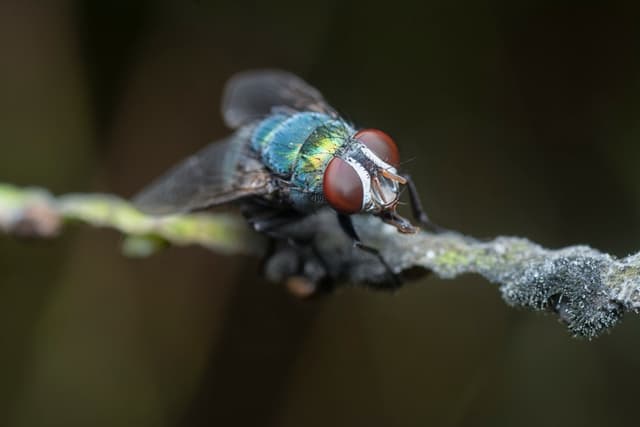
Large flies that cluster in roof spaces and wall cavities during winter months in London properties.
How to identify cluster flies
- Size
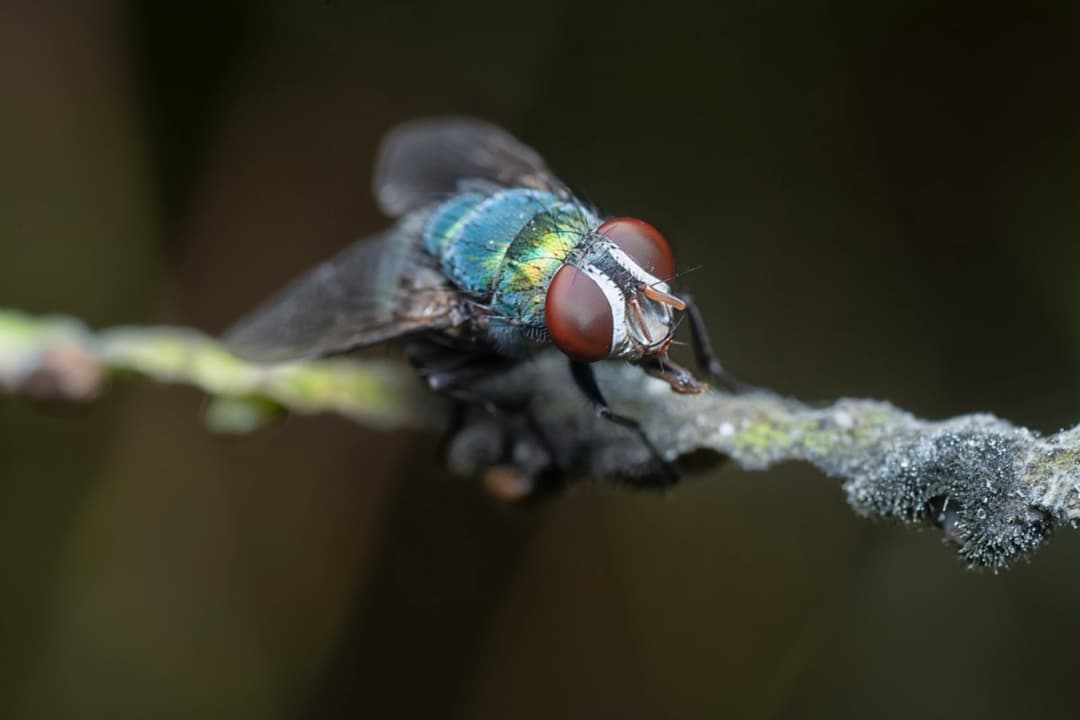
- 8–10mm, slightly larger than a house fly
- Colour
- Dark grey with golden hairs on the thorax
- Active
- Cluster in autumn/winter, active spring/summer
- Sluggish, clumsy flight compared with house flies
- Arrive in very large numbers in autumn
- Cluster in lofts, roof voids and around window frames
- Overlapping wings at rest, unlike a house fly
Commonly confused with: Mistaken for a house fly infestation. Cluster flies do not breed indoors — they overwinter there, so there is no indoor breeding source to find.
The cluster fly lifecycle
Egg
3 daysLaid in soil outdoors
Larva
2–3 weeksParasitises earthworms
Pupa
11–14 daysIn the soil
Adult
OverwintersEnters buildings in autumn to hibernate
Signs of cluster flies in your property
Health risks and property damage
Health risks
- No significant health risks
- Nuisance factor
- Unpleasant odors when disturbed
Property damage
- Staining from large numbers
- Unpleasant odors
- Customer complaints
- Aesthetic issues
What to do before we arrive
Do this
- Vacuum clusters and dispose of the bag outside
- Note which side of the roof they gather on — usually the sunniest
- Book treatment in early autumn before they settle
- Check loft access hatches are well sealed
Avoid this
- Do not look for an indoor breeding source; there isn't one
- Do not leave dead flies in the loft — they attract carpet beetles
- Do not expect one treatment to prevent all future entry
- Do not seal a loft without treating the flies already inside
How we treat cluster flies
Residual insecticide treatment and physical exclusion methods
Every treatment includes a follow-up visit and a written prevention plan. Our success rate on cluster flies is 87%, and we attend within 48 hours of your call.
Keeping cluster flies out for good
Where we find them
Cluster Flies facts
Frequently asked questions
How quickly can you treat cluster flies in London?
We aim to attend within 48 hours of your call anywhere in London, with a 24/7 line for urgent cases.
How much does cluster fly treatment cost?
Cluster Flies treatment starts from £149. The final price depends on the size of the property and the extent of the infestation, and we confirm it in writing after the survey — there is no call-out charge.
How do I know if I have cluster flies?
The most reliable signs are: Large numbers of sluggish flies; Clustering around windows; Sweet, sickly smell; Activity on warm winter days. If you are seeing any of these, book a survey rather than waiting — cluster flies rarely resolve on their own.
How do you treat cluster flies?
Residual insecticide treatment and physical exclusion methods Our success rate on cluster flies is 87%, and treatment includes a follow-up visit and a written prevention plan.
Are cluster flies dangerous?
Cluster Flies are rated low risk. The main health concerns are no significant health risks, nuisance factor, unpleasant odors when disturbed. They can also cause staining from large numbers.
How can I stop cluster flies coming back?
Seal entry points in autumn; Install fly screens; Remove from clustering sites. We include a prevention plan with every treatment and can arrange scheduled monitoring for properties that have had repeat problems.