
Drain Fly Control
48 hours response across London — from £139
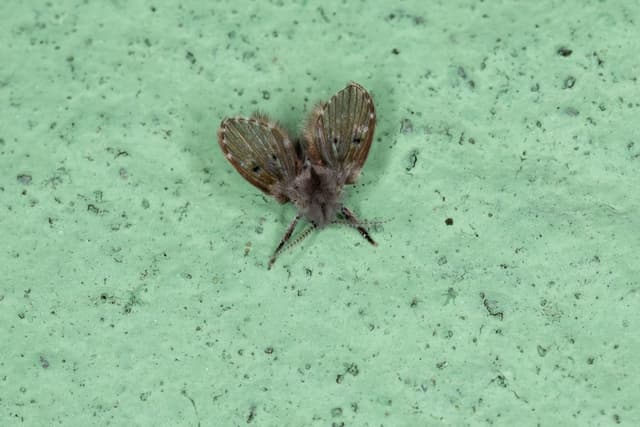
Small moth-like flies that breed in organic matter in drains and sewage systems.
How to identify drain flies
- Size
- 2–5mm
- Colour
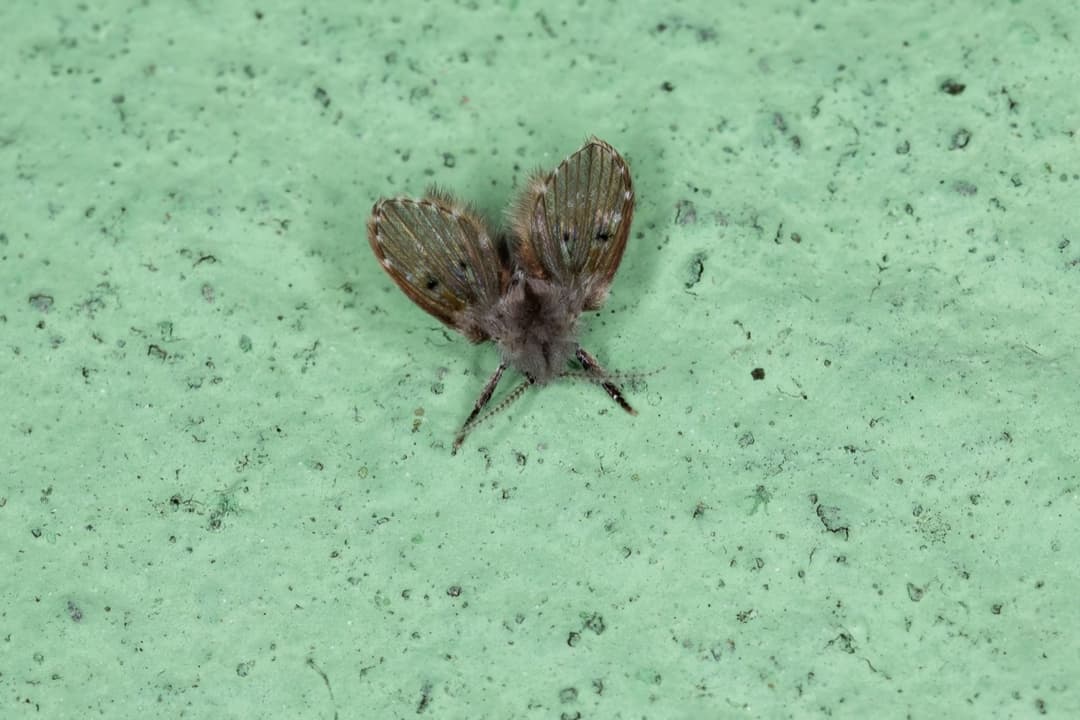
- Grey to black, densely hairy
- Active
- Year-round indoors, more common in warm weather
- Moth-like, furry wings held roof-like at rest
- Weak, hopping flight in short bursts
- Rest on walls near sinks, showers and floor gullies
- Larvae live in the gelatinous film inside drains
Commonly confused with: Mistaken for fruit flies. Drain flies are fuzzy and moth-like; fruit flies are smooth with red eyes.
The drain fly lifecycle
Egg
32–48 hoursLaid in the drain biofilm
Larva
9–15 daysFeeds on organic sludge
Pupa
20–40 hoursWithin the same film
Adult
2 weeksRarely travels far from the source
Signs of drain flies in your property
Health risks and property damage
Health risks
- Potential disease transmission
- Contamination of food prep areas
- Allergic reactions in sensitive individuals
- Poor sanitation indicator
Property damage
- Drain system contamination
- Unpleasant odors
- Customer complaints in businesses
- Health inspection failures
What to do before we arrive
Do this
- Identify which drain by taping over each one overnight and checking for flies
- Clean drains mechanically with a brush, then an enzyme treatment
- Check floor gullies, shower traps and unused sinks
- Run water through rarely-used drains weekly
Avoid this
- Do not pour bleach down the drain — it does not remove the biofilm they breed in
- Do not ignore an unused drain; a dry trap is a common source
- Do not spray the adults and assume it is solved
- Do not overlook drains under equipment in commercial kitchens
How we treat drain flies
Drain cleaning and targeted larvicide treatment
Every treatment includes a follow-up visit and a written prevention plan. Our success rate on drain flies is 88%, and we attend within 48 hours of your call.
Keeping drain flies out for good
Where we find them
Drain Flies facts
Drain Fly Control near you
We treat drain flies across central London. Pick your area for local response times and pricing.
Frequently asked questions
How quickly can you treat drain flies in London?
We aim to attend within 48 hours of your call anywhere in London, with a 24/7 line for urgent cases.
How much does drain fly treatment cost?
Drain Flies treatment starts from £139. The final price depends on the size of the property and the extent of the infestation, and we confirm it in writing after the survey — there is no call-out charge.
How do I know if I have drain flies?
The most reliable signs are: Small flies around drains; Moth-like appearance when flying; Clustering in bathrooms; Organic buildup in drains. If you are seeing any of these, book a survey rather than waiting — drain flies rarely resolve on their own.
How do you treat drain flies?
Drain cleaning and targeted larvicide treatment Our success rate on drain flies is 88%, and treatment includes a follow-up visit and a written prevention plan.
Are drain flies dangerous?
Drain Flies are rated low risk. The main health concerns are potential disease transmission, contamination of food prep areas, allergic reactions in sensitive individuals. They can also cause drain system contamination.
How can I stop drain flies coming back?
Regular drain cleaning; Enzyme drain treatments; Proper ventilation. We include a prevention plan with every treatment and can arrange scheduled monitoring for properties that have had repeat problems.