

Earwig Control
48 hours response across London — from £119
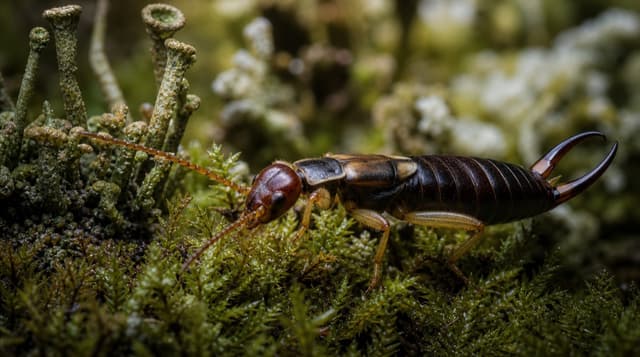
Nocturnal insects with distinctive pincers that seek shelter in homes during dry weather.
How to identify earwigs
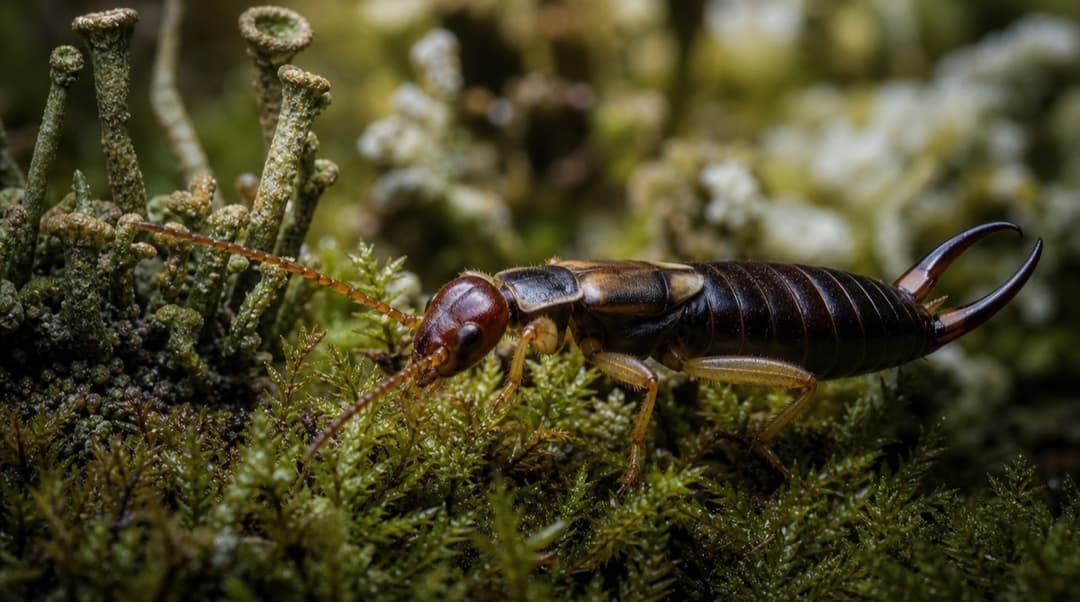
- Size
- 10–14mm
- Colour
- Shiny reddish-brown
- Active
- Most active spring and summer
- Distinctive pincers (cerci) at the rear
- Flattened body that fits into tight crevices
- Nocturnal; hide in dark, damp gaps by day
- Damage to soft fruit, seedlings and flower petals
Commonly confused with: Rarely confused with anything else — the rear pincers are unmistakable. Males have curved pincers, females straight.
The earwig lifecycle
Egg
OverwintersGuarded by the female in a soil chamber
Nymph
4 instars over 10 weeksResembles a small adult
Adult
From midsummerMost visible July to September
Overwintering
AutumnFemales tend eggs underground
Signs of earwigs in your property
Health risks and property damage
Health risks
- No significant health risks
- Pincer wounds (rare and minor)
- Nuisance factor
Property damage
- Minor plant damage
- No structural damage
- Aesthetic concerns
- Food contamination potential
What to do before we arrive
Do this
- Clear damp debris, pots and timber from against the building
- Fit door brushes and seal gaps around frames
- Reduce garden lighting near entrances
- Check bunches of flowers and produce brought indoors
Avoid this
- Do not panic — earwigs do not bite people and are largely harmless indoors
- Do not treat the whole garden; a perimeter approach is enough
- Do not leave damp cardboard or sacking near doors
- Do not over-water planters against the house wall
How we treat earwigs
Perimeter treatment and habitat modification
Every treatment includes a follow-up visit and a written prevention plan. Our success rate on earwigs is 89%, and we attend within 48 hours of your call.
Keeping earwigs out for good
Where we find them
Earwigs facts
Frequently asked questions
How quickly can you treat earwigs in London?
We aim to attend within 48 hours of your call anywhere in London, with a 24/7 line for urgent cases.
How much does earwig treatment cost?
Earwigs treatment starts from £119. The final price depends on the size of the property and the extent of the infestation, and we confirm it in writing after the survey — there is no call-out charge.
How do I know if I have earwigs?
The most reliable signs are: Brown insects with pincers; Found in dark, moist areas; Active at night; Clustering in garden areas. If you are seeing any of these, book a survey rather than waiting — earwigs rarely resolve on their own.
How do you treat earwigs?
Perimeter treatment and habitat modification Our success rate on earwigs is 89%, and treatment includes a follow-up visit and a written prevention plan.
Are earwigs dangerous?
Earwigs are rated low risk. The main health concerns are no significant health risks, pincer wounds (rare and minor), nuisance factor. They can also cause minor plant damage.
How can I stop earwigs coming back?
Reduce garden moisture; Seal entry points; Remove garden debris. We include a prevention plan with every treatment and can arrange scheduled monitoring for properties that have had repeat problems.