
Millipede Control
48 hours response across London — from £119
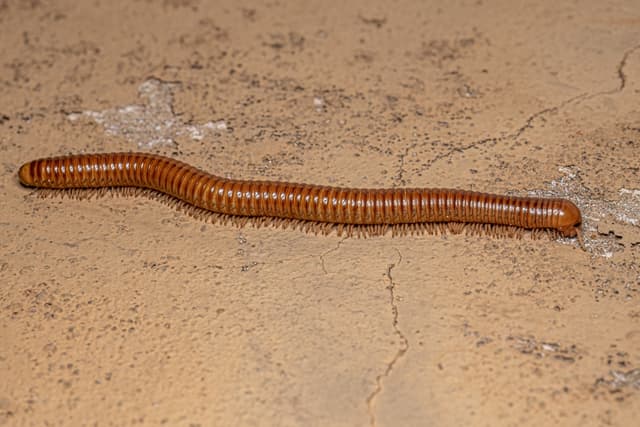
Slow-moving cylindrical arthropods that enter homes seeking moisture during dry periods.
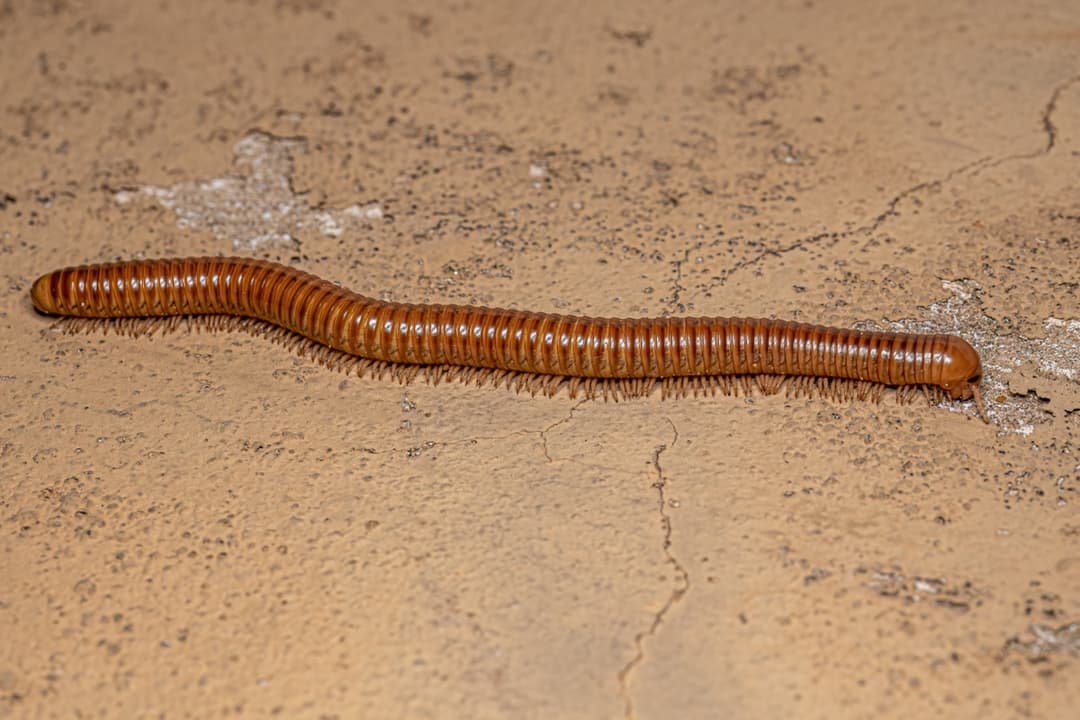
How to identify millipedes
- Size
- 20–45mm depending on species
- Colour
- Black, grey or brown; some species pale
- Active
- Mass migrations in autumn during dry spells
- Cylindrical body with two pairs of legs per segment
- Slow, wave-like movement
- Curl into a tight spiral when disturbed
- May release a faintly pungent defensive fluid
Commonly confused with: Confused with centipedes, which are flattened, fast and have a single pair of legs per segment.
The millipede lifecycle
Egg
3–4 weeksLaid in soil in a nest chamber
Early instar
WeeksHatches with only a few segments
Later instars
1–2 yearsAdds segments and legs with each moult
Adult
1–10 yearsFeeds on decaying plant matter
Signs of millipedes in your property
Health risks and property damage
Health risks
- Skin irritation from defensive secretions
- Eye irritation if handled
- No disease transmission
Property damage
- No structural damage
- Staining from secretions
- Aesthetic concerns
- Dead insects accumulation
What to do before we arrive
Do this
- Move mulch, compost and leaf litter away from the walls
- Improve drainage where water pools near the building
- Seal gaps at door thresholds and airbricks
- Ventilate damp basements and crawl spaces
Avoid this
- Do not treat indoors alone; the population is outside
- Do not crush them on carpet — the defensive fluid stains
- Do not over-mulch beds against the house
- Do not assume they damage the property; they feed on decaying matter
How we treat millipedes
Perimeter barrier treatment and moisture control
Every treatment includes a follow-up visit and a written prevention plan. Our success rate on millipedes is 90%, and we attend within 48 hours of your call.
Keeping millipedes out for good
Where we find them
Millipedes facts
Frequently asked questions
How quickly can you treat millipedes in London?
We aim to attend within 48 hours of your call anywhere in London, with a 24/7 line for urgent cases.
How much does millipede treatment cost?
Millipedes treatment starts from £119. The final price depends on the size of the property and the extent of the infestation, and we confirm it in writing after the survey — there is no call-out charge.
How do I know if I have millipedes?
The most reliable signs are: Slow-moving worm-like insects; Curl into tight coils when disturbed; Found in damp areas; Mass migrations in dry weather. If you are seeing any of these, book a survey rather than waiting — millipedes rarely resolve on their own.
How do you treat millipedes?
Perimeter barrier treatment and moisture control Our success rate on millipedes is 90%, and treatment includes a follow-up visit and a written prevention plan.
Are millipedes dangerous?
Millipedes are rated low risk. The main health concerns are skin irritation from defensive secretions, eye irritation if handled, no disease transmission. They can also cause no structural damage.
How can I stop millipedes coming back?
Reduce moisture around foundation; Remove organic debris; Seal gaps in foundation. We include a prevention plan with every treatment and can arrange scheduled monitoring for properties that have had repeat problems.