
If you are searching for bpca pest control near me, start with the British Pest Control Association’s own Find a Pest Controller directory. Search using the affected property’s postcode, open the member profiles, then confirm coverage and the proposed work directly with the business. Before making enquiries, spend a few minutes recording what you have seen. Keep children and pets away from visible pest activity, secure exposed food and photograph evidence from a safe distance. You can then describe the problem clearly without disturbing it.
Record the pest evidence before searching
A BPCA directory enquiry is easier to assess when you can describe the property and the evidence. You do not need a confident pest identification before contacting a company.
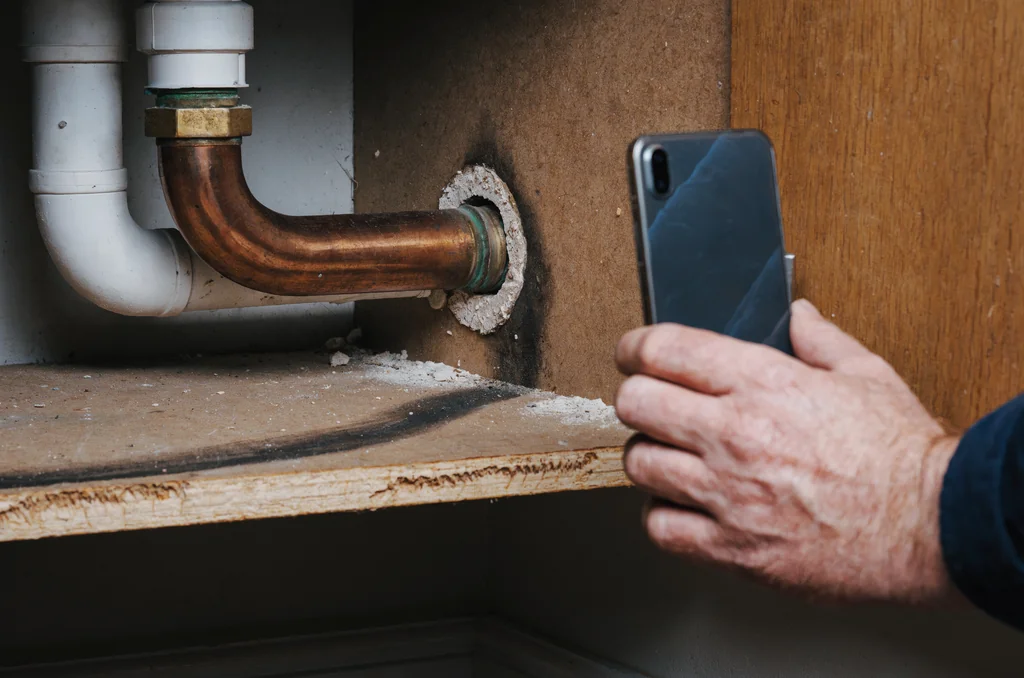
Write down where the activity occurred, when you noticed it and whether it has happened more than once. Separate observations from assumptions. “Scratching above the bedroom ceiling last night” is more useful than naming an animal you have not seen.
Follow a short inspection route through accessible areas:
- Start where you first noticed the problem and take a photograph if you can do so safely.
- Look at nearby accessible edges, such as skirting boards, cupboard corners and the area beneath the sink.
- Note visible gaps around pipes, damaged materials or signs near food storage.
- Record any similar evidence in adjoining rooms without moving heavy appliances or opening building cavities.
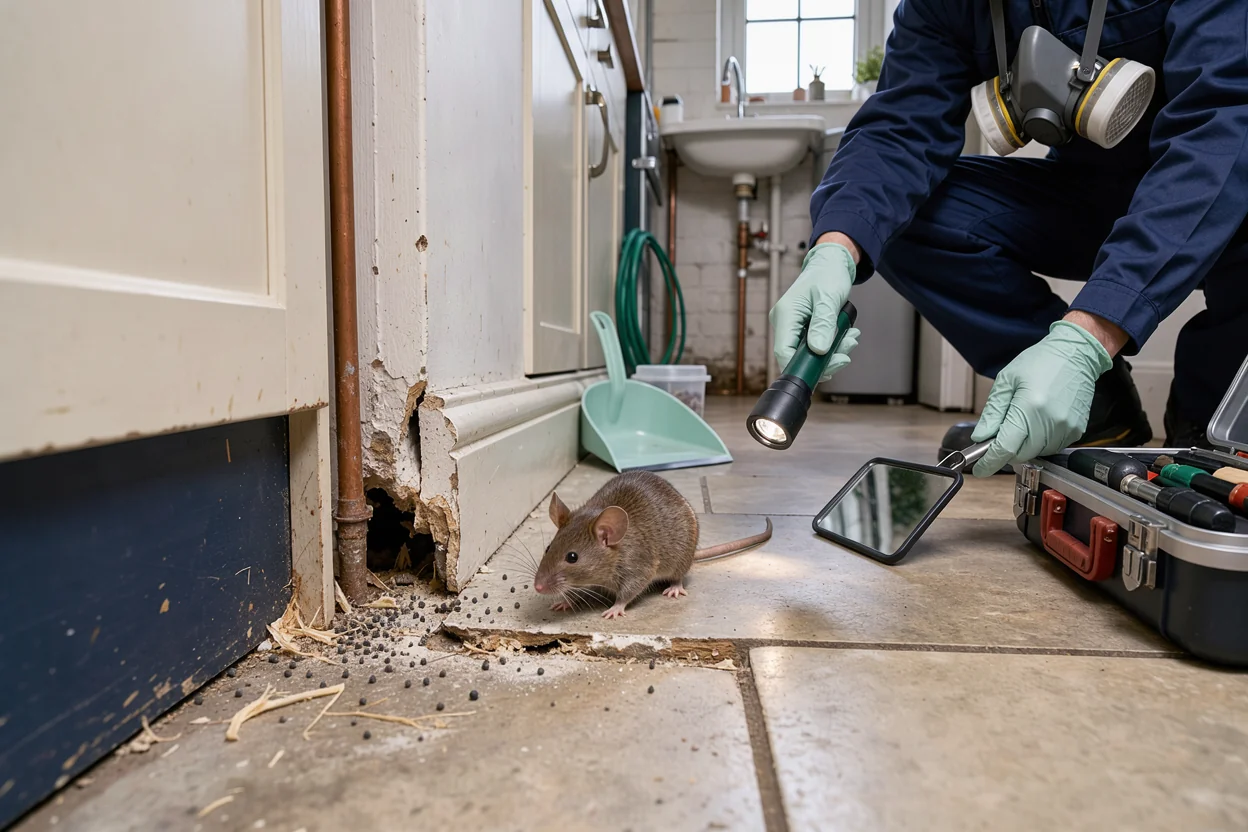
For suspected rat control, explain whether the evidence is indoors, outside or within a shared part of the building. Ask whether the inspection will consider possible access routes.
If nothing further appears, keep your original photograph and note the location. Avoid presenting an uncertain identification as confirmed.
Stop the inspection if it requires a ladder, contact with pest waste or disturbing a nest. Tell the company which areas remain unchecked.
Use the affected property’s postcode in the directory
The official BPCA directory is the starting point for locating member businesses, while your postcode helps focus the enquiry on the property needing attention.
Search from the association’s own website
Open the British Pest Control Association’s website and find its Find a Pest Controller directory. Check that you are using the association’s own site before entering your search.
Then work through the search in this order:
- Enter the postcode of the affected property.
- Review the returned businesses and open their member profiles.
- Read the available service and contact information.
- Keep a small shortlist of businesses whose listed work appears relevant.
- Confirm the exact address and suspected pest directly with each shortlisted firm.
If you are arranging treatment for a rental property or workplace, use that address rather than your home postcode. Keep the flat number, entrance details and property contact ready for the enquiry.
Widen an unhelpful search carefully
Check the postcode for typing errors if the results seem unsuitable. Where the directory provides an area or distance option, adjust it gradually.
A nearby office address does not establish that a technician can attend promptly. Equally, a business based farther away may cover your postcode. Confirm both coverage and the available appointment before deciding.
If a profile contains limited information, turn the missing detail into a question. Ask whether the company handles your suspected pest in your type of property.
Keep the search results separate from your booking notes. Record what each business actually confirms, including any limits on access, treatment or attendance.
Match the member profile to the business you will book
A directory profile helps you check the identity behind a membership claim. Compare it with the name and contact details used during your enquiry.
Check the company name, website and telephone details available in the listing. If a quotation uses another trading name, ask the business to explain the relationship before accepting it.
A badge on an advert gives you something to verify. Make the directory check yourself rather than relying entirely on a logo, a search result description or a statement in a telephone call.
Keep these details in your booking notes:
- The business name shown in the directory.
- The trading name on the quotation.
- The contact details you used.
- The name of the business responsible for the visit.
- The date you checked the listing.
Avoid treating every reference to BPCA as an identical claim. Ask whether the business is claiming company membership, a technician’s qualification or something else. Request clarification if the wording is unclear.
If someone else will carry out the work, ask who will attend, who will issue the treatment report and who handles follow-up enquiries. Check the identity of the business taking responsibility for your booking.
Save the written explanation alongside the quote. Resolve any unexplained mismatch before authorising treatment.
Confirm pest experience, property access and attendance
Your directory shortlist becomes useful once each firm confirms that it can handle the suspected pest, reach the relevant areas and attend within a suitable time window.
Describe the pest and the building together
Give the company enough detail to judge the job. Mention whether the property is a house, flat, restaurant, shop or office, and identify any shared areas involved.
For bed bug treatment, explain which rooms concern you, what evidence you have and whether any treatment has already been attempted. Ask how identification will be confirmed before a treatment plan is agreed.
With cockroach control in a food business, describe the affected preparation or storage area. Ask what access and preparation the inspection requires.
In a period property, mention inaccessible voids, fitted cupboards and any restrictions on altering the building. These details help frame questions about inspection and possible proofing work, which means measures intended to prevent pest access.
Turn an urgent enquiry into a clear appointment
Ask for the earliest attendance window for your postcode. Clarify whether the appointment is an inspection, an initial treatment or a combined visit.
For a flat, explain entry arrangements, concierge hours and access to communal cupboards. A landlord or managing agent may need to arrange permission for shared areas; establish who will do that.
If you need help today, state the practical reason, such as activity in an occupied bedroom or food preparation area. Ask what can be assessed during the first visit.
Record the agreed arrival window, the person providing access and any areas the technician will be unable to inspect.
Use council signposting without assuming free treatment
Your council’s pest control information can provide another route to help, including signposting to a provider directory where that route is listed.
Find the relevant council’s own website and read its pest control service information. Check whether it describes a council-run service, an appointed contractor or a route to private companies.
If the page points you towards BPCA, continue with the same checks: search the affected postcode, read the member profile and confirm the proposed work directly.
Council signposting does not establish what your particular treatment will cost. Check the published terms or ask the council about:
- The pests and property types covered.
- Any inspection or treatment charge.
- The number of visits included.
- Eligibility for any stated concession.
- How bookings and follow-up visits are arranged.
For a London property, this explanation of council pest control charges provides context for comparing council and private enquiries. Use the current quote for the actual booking decision.
If you rent, check with the landlord or managing agent who can authorise the visit and any building work. Keep that discussion separate from assumptions about who must pay.
Save the council page details and any written response with your other booking information.
Get the inspection, treatment and price in writing
Before booking a firm from the directory, ask for a written description of the work and the total charge for the agreed scope.
Establish what the first payment covers
Start with the inspection. Ask whether its price is separate, included in treatment or payable even if no pest activity is confirmed.
Then establish what the proposed treatment includes. A useful written quote should explain the affected areas, planned visits, preparation requirements and any work that remains outside the price.
Ask specifically about:
- VAT and any attendance charges.
- Evening or weekend supplements, if applicable.
- The number of scheduled visits.
- Charges for additional visits.
- Whether proofing work is included or quoted separately.
- What happens if the suspected pest is identified differently.
If the company needs to inspect before pricing treatment, ask what the inspection itself costs. Confirm that any further work will be explained and priced before you authorise it.
For rodent enquiries, these rodent control price checks can help you organise the questions. Compare quotes for the same work, especially where visit numbers or proofing differ.
Clarify safety instructions and follow-up terms
Tell the business about children, pets, food preparation areas and any access needs before it proposes treatment. Ask for preparation and re-entry instructions relevant to the actual method.
Avoid accepting broad phrases such as “family safe” as the full explanation. Request clear instructions about what must be moved, protected or kept away from treated areas, and for how long.
If a guarantee is mentioned, ask for its written scope, duration, exclusions and return-visit terms. Establish what evidence the company needs if activity continues.
An interactive booking checklist could flag unanswered items before payment: company identity, postcode coverage, visit scope, safety instructions and the written total.
Keep the quote, booking confirmation and treatment terms together so everyone arranging access can read the same instructions.
Prepare the property without disturbing the evidence
Once you have booked a directory-listed business, follow its specific preparation instructions rather than starting a general clear-out.
Ask before moving furniture, emptying cupboards or applying another treatment. Tell the technician about any products already used, including where and when you applied them. Keep packaging or product details available.
For the visit, prepare:
- Photographs and a short timeline of sightings or noises.
- Access to the affected rooms and agreed inspection areas.
- Details of previous treatments or building repairs.
- Contact information for the person authorising additional work.
- Questions about inaccessible spaces and possible entry points.
Avoid opening walls, lifting fitted flooring or dismantling cupboards simply to find more evidence. Explain the limitation and ask how the technician plans to assess it.
If the appointment is tomorrow or within the next 48 hours, ask what changes should prompt another call before attendance. Describe new activity accurately, with its location and time.
After the visit, request the inspection findings, treatment record and written aftercare instructions. Confirm the date of any planned return visit and how to report continued activity.
Where access prevention work is recommended, establish who will carry it out and when. Keep repairs, monitoring and treatment instructions in the same record, especially when several people manage the property.
Questions about BPCA listings and local bookings
Questions often remain after a directory search, particularly when a listing, appointment or treatment plan needs clarification.
Does a directory listing guarantee the right firm for my problem?
Use the listing to check the business, then establish whether its proposed work fits your property and suspected pest. Ask about relevant experience, inspection scope, treatment planning and follow-up. Request written answers to anything that affects your decision.
Should I choose the company with the nearest address?
Confirm coverage and attendance directly. A nearby address alone does not answer whether the company handles your pest or can access the affected area. Compare the available appointment and proposed work alongside location. Ask who will attend and which business will issue the report.
What if an advertised BPCA member does not appear?
Check the spelling and ask for the exact member business name. A trading name may need explanation. If the claimed membership remains unclear, contact BPCA through its own website for clarification. Resolve the identity question before relying on the claim when booking.
What if I cannot identify the pest?
Describe the evidence without guessing. Send photographs if the business requests them, and ask whether the first appointment includes identification. Confirm what you would pay if the inspection finds a different pest, an old sign or no evidence requiring treatment.
What if the inspection finds no current activity?
Ask the technician to record what was inspected, which areas were inaccessible and what evidence would justify another visit. Agree whether monitoring is appropriate and who will review it. Record any later sighting with a date, location and photograph, then follow the agreed reporting instructions.