

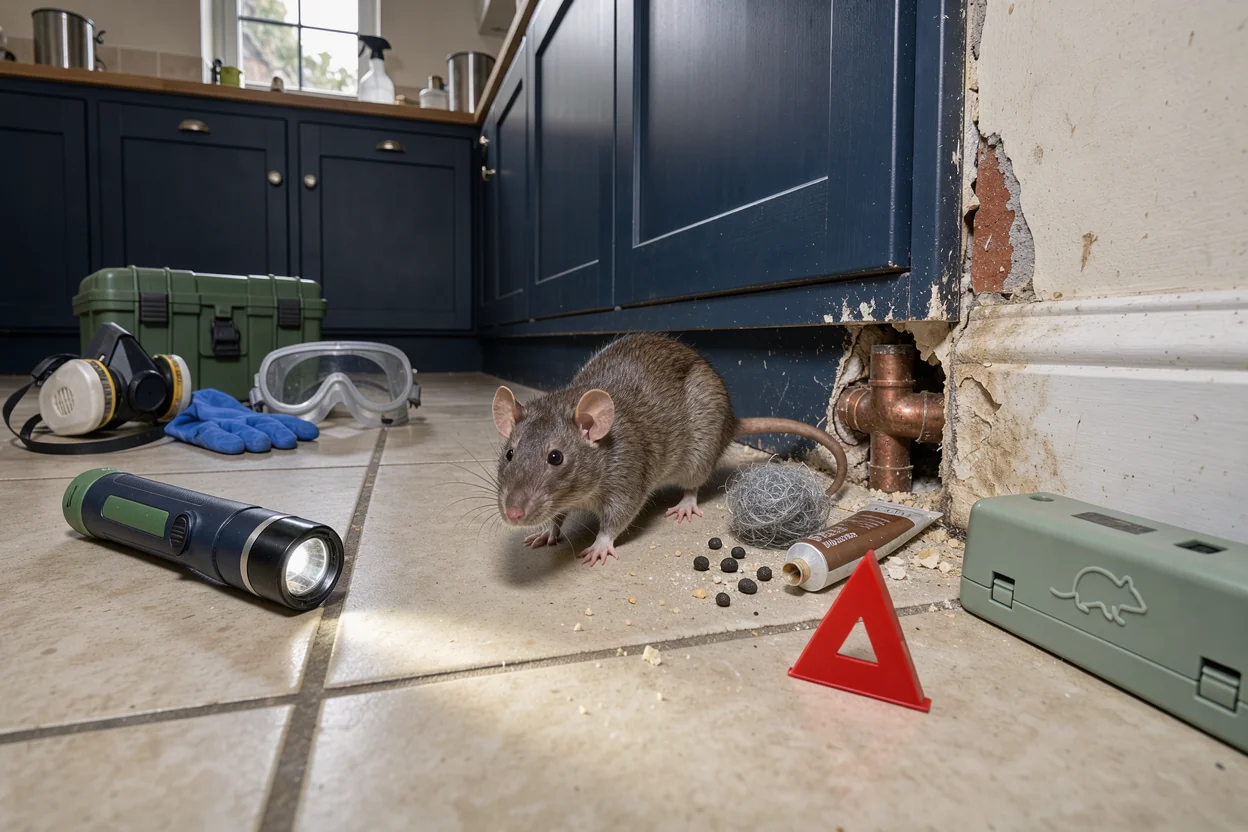
London rodent control prices are easiest to compare when every quote covers the same work: inspection, treatment, return visits and any repairs. Use these seven checks to turn a headline call-out price into a written total for your home, rental property or small business.
Build a quote file you can compare
Set aside 30–60 minutes to inspect accessible areas and organise the estimates; allow additional time for suppliers to answer questions. You need a torch, phone camera, notebook and the written quotes or messages you have received.
Follow a short route: the outside edge and bins, accessible door and pipe openings, then kitchen storage and any room with reported activity. Note dates, locations and visible evidence without disturbing it.
Leave lifting appliances, opening electrical enclosures and entering lofts or enclosed voids to someone competent. Photograph from a safe position and tell the supplier where access is restricted.
A check is clear when the quote gives an answer you can compare, with any unknowns marked for inspection. Silence about proofing, VAT or return visits leaves a gap in the price.
Keep three headings in your notes: included work, possible extras and questions awaiting an answer. Use the same property description for each supplier so differences in scope are visible.
1. Confirm whether the price buys a visit or a course
A treatment quote needs a defined unit before its price means much. Find out whether the advertised amount pays for a survey, one treatment visit or a course with scheduled returns.
PGH Pest Control advertises treatment from £198 a visit on its rat treatment price page. That is a provider-specific starting price; request the amount that applies to your property and the planned number of visits.
An answered check gives you the pest, property type, charge basis and included work in writing. If the price is still provisional, ask what the inspection could change and when you can approve the revised amount.
Domestic treatment and a recurring commercial monitoring contract also need separate comparisons. A charge per scheduled business visit may describe routine monitoring rather than the work required for an active infestation.
Use council charges as another route to investigate, with their own eligibility and booking terms. Consult Lambeth Council’s published pest treatment prices, then confirm the applicable service before comparing it with a private estimate.
A national average cannot settle whether two local quotes cover equivalent work. Write the quoted price beside its unit, such as per visit or per course, and ask for any limits on rooms or areas.
2. Put the rat or mouse survey in writing
The survey should explain what the supplier will inspect and how that inspection affects the treatment estimate. If the species is uncertain, record that when requesting rat treatment or mouse treatment.
List where you have seen evidence, which rooms are affected and whether the issue extends outside. Give the date of the most recent sighting and mention earlier treatment or building work.
For a period flat, specify the kitchen, basement access, visible service openings and any shared areas you can enter. A quote restricted to one room needs clarification if your notes describe activity elsewhere.
The survey check passes when the estimate states the accessible areas to be inspected, the survey fee and the report you will receive. Ask whether that fee is credited against treatment or charged separately.
Where access is limited, ask how the technician will record the restriction and whether another visit would cost extra. A drain investigation, lifting fitted units or opening a void should each have a stated scope before you agree.
Photographs can help describe the problem, but access and treatment decisions still need confirmation on site. If the quote assumes a confirmed species from your description alone, ask how it will change after inspection.
Request a record of findings and proposed work before authorising any additional survey charge. Give every supplier the same photographs and room list.
3. Separate proofing work from treatment
Proofing means repairing or protecting openings through which rodents could enter. The cost check is whether the supplier’s price includes specified work, a report with recommendations, or a separate repair estimate.
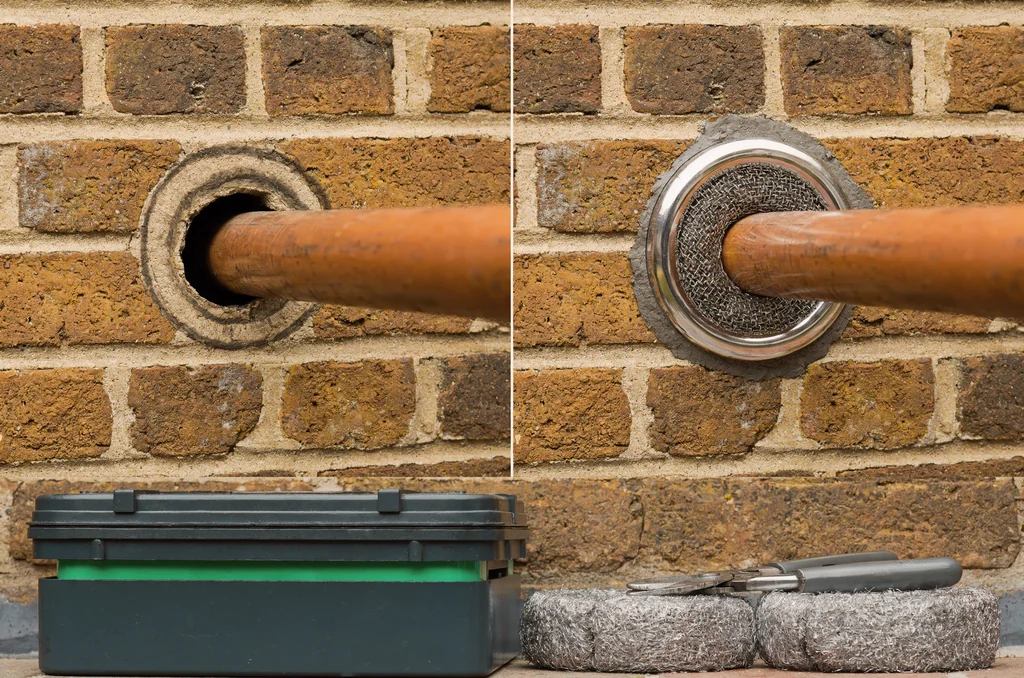
Start with visible door gaps, pipe penetrations and damaged coverings around accessible vents. Note the opening and its location; avoid choosing a repair material or blocking it before the treatment plan is agreed.
A complete answer names the repair, its location, labour and materials, plus any work left to a landlord or another contractor. Advice to seal gaps is different from a priced commitment to carry out the repairs.
For Soho mouse control, specify whether the estimate covers your premises alone or includes agreed access to shared service routes. The same scope question matters in a converted house where several flats share building spaces.
Ask whether making good decorative finishes is included after access or repair work. For vents and service openings, require a plan that preserves their intended function.
Separate minor accessible repairs from building work, drain investigations and work requiring permission. If the supplier cannot price an opening yet, have it recorded as an unresolved item with the next inspection step.
Check who arranges access and authorises work in communal areas. Pass this check only when the estimate tells you which openings will be addressed and who pays for the remainder.
4. Count the follow-up visits and their limits
Follow-up visits need a number, a purpose and a booking arrangement in the quote. A first appointment alone tells you little about the cost of assessing progress.
Ask what happens at each return: checking traps or bait stations, reviewing new evidence, adjusting the plan and recording findings. The technician should explain the proposed timing for your property rather than leave it as an open-ended promise.
This check is answered when the package specifies included visits, the period in which they occur and the charge for additional attendance. Confirm whether an extra visit needs your approval before it is booked.
Ask how visits are arranged if you rent out the property or manage a shop with restricted access. Clarify missed-appointment charges, cancellation terms and what happens when a tenant cannot admit the technician.
Return visits may depend on access to the same areas as the initial survey. If a cupboard is cleared for inspection, agree what access must remain available until the course ends.
Request the provider’s criteria for closing the treatment course and the action required if evidence continues. Avoid accepting an end date without knowing how the results will be assessed.
Also ask about removing or securing treatment equipment at the end of the work. Record what remains on site, who manages it and whether that attendance is already included.
5. Check the treatment plan around children, pets and food
The quoted treatment should account for the people, animals and food areas using the property. Tell the supplier about children, pets, food preparation and any access needs before they finalise the estimate.
A satisfactory answer describes the proposed method, where equipment will sit, any restricted access and the preparation you must complete. Ask for written instructions that suit the actual rooms and occupants.
If rodenticide is proposed, ask why it is appropriate, how access will be controlled and how the treatment will be checked. Keep product choices and placement decisions with the competent technician responsible for the work.
Ask for the technician’s qualifications and the company’s insurance details. If BPCA membership is claimed, request details you can verify; membership should sit alongside a clear plan for your property.
For a food business, define the scope of the kitchen rat inspection around storage, preparation areas and accessible service openings. Ask which records, preparation steps and operating restrictions the quoted work includes.
Separate contamination cleaning, removal of waste and repairs from pest treatment in the estimate. Ask whether each task is included, separately priced or assigned to your staff or another contractor.
A broad child-safe claim leaves practical questions unanswered. Obtain the specific access restrictions, equipment arrangements and written aftercare instructions before approving the treatment.
6. Confirm emergency fees and the arrival window
The appointment time can change the payable total, so ask for the earliest available slot and its fee together. Same-day attendance, evening work and overnight attendance should each have a clear booking basis.
When comparing central London rat treatment, give the postcode, parking or loading arrangements, entry instructions and any trading-hour restrictions. Ask whether travel, parking or access-related costs appear in the quoted total.
A confirmed check gives you an arrival window, the attendance charge and a separate list of possible extras. Find out whether the first visit is an inspection, treatment or both.
If the price carries an emergency surcharge, ask whether that charge applies once or to every out-of-hours visit. Clarify whether later appointments can take place during standard hours at the agreed package price.
For a restaurant, describe active evidence around food preparation when asking about urgency. For a home, mention sightings in occupied rooms and any concern about damaged services so the supplier can assess the response needed.
An early appointment may still leave repairs or further visits to arrange. Ask what the technician can complete at that appointment and which costs remain subject to inspection.
Confirm the fee if attendance finds no evidence or the suspected pest is different from the one quoted. Put the agreed arrival window and maximum authorised attendance charge in your booking record.
7. Compare the payable total and the return terms
The price to compare is the total for an agreed treatment course, with unresolved repairs shown separately. Check VAT, deposits, survey charges, included visits and any compulsory fees.
For a hypothetical comparison, a £160 first visit plus two £90 returns totals £340, assuming those amounts include VAT. A £320 three-visit package costs less on that scope if both cover the same work.
These figures are calculation examples. Real estimates need their own written inclusions before you can make that comparison.
Ask each supplier to give a treatment subtotal and a separate amount for agreed proofing. Keep unpriced building work visible as a question rather than allowing a blank space to imply that it costs nothing.
A useful quote calculator would total inspection, treatment, included returns, proofing and emergency fees while flagging unpriced items. It should show the assumptions beside the result, particularly VAT and the number of visits.
Read the return terms before selecting the quote. Ask what happens if activity continues during the course, if it resumes afterwards, or if a new entry point is found.
Confirm the time limit, excluded circumstances and charge for another inspection under any guarantee. For a rented property, agree who authorises work and receives the invoice before treatment begins.
This check passes when the payable amount and conditional extras are written down. Have changes approved before work proceeds, including any additional attendance or repair charge.
Questions that change the rat or mouse treatment bill
Some price questions remain even after a detailed estimate. Resolve these against the written scope, rather than assume that a cheaper first visit answers them.
Is council treatment always cheaper?
Compare the total for equivalent work, including eligibility, covered areas, visits and availability. Hounslow Council’s pest control service information is another council route to check; ask for the terms that apply to your address.
Confirm whether any concession applies and whether proofing is included before comparing totals. An advertised council charge alone leaves those scope questions open.
Can one visit be enough?
The visit count depends on the findings and agreed treatment plan. Ask what result the proposed attendance is intended to achieve and how the supplier will assess it.
If follow-ups are excluded, obtain their price and booking terms before the first appointment. Keep an allowance for unresolved work in your budget.
Does a guarantee cover repairs?
Read the guarantee’s own wording and ask the supplier to identify what is covered. Treatment returns, repair work and a fresh infestation may have different terms.
Record the covered period and any customer actions required for those terms to apply. Ask for a written answer wherever the wording is unclear.
What should I do while a quote is being clarified?
Where there is no confirmed activity, date your observations and monitor safely accessible areas. Securing food, closing bins and arranging access for inspection are practical first steps while the scope is clarified.
Repeated sightings in occupied rooms, active signs around a food preparation area or suspected damage to services warrant prompt professional assessment. Ask for same-day advice when describing those findings, and keep people away from any suspected electrical damage.