

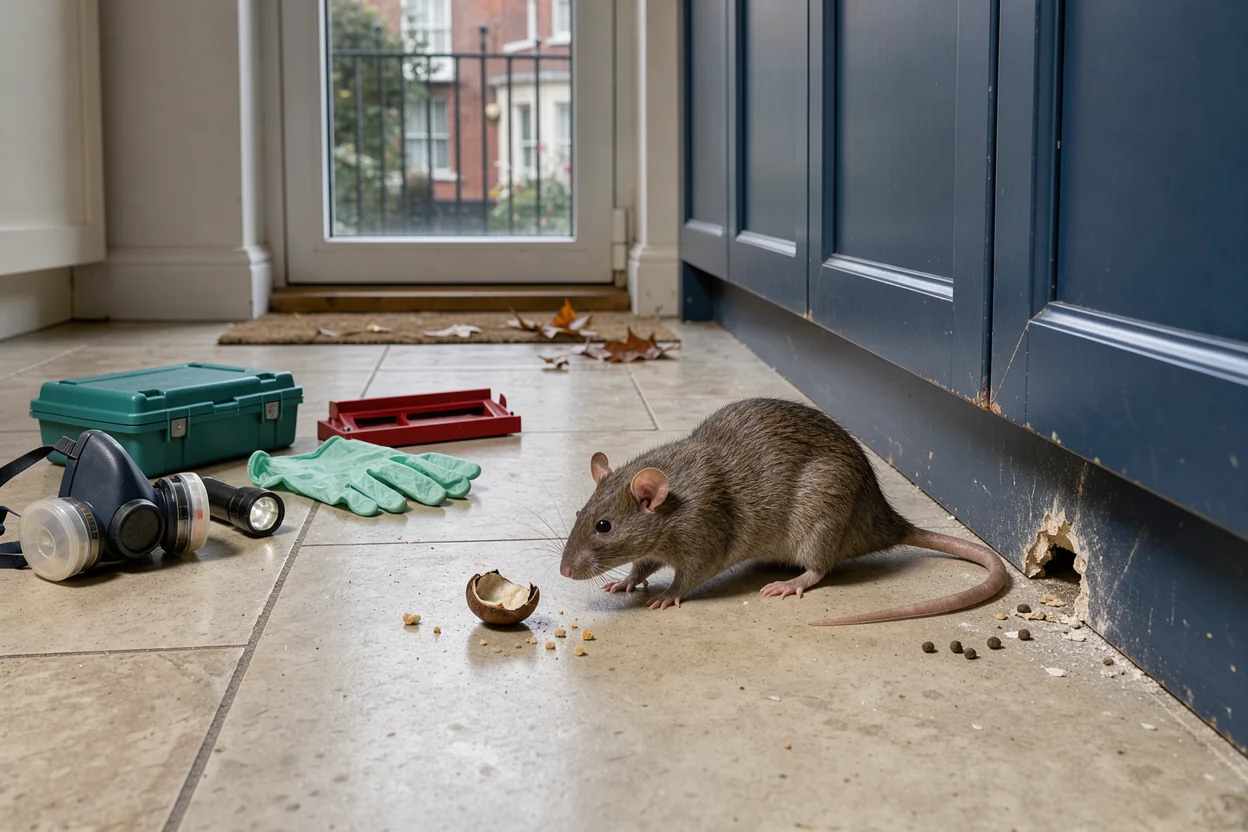
The Standard reported on 5 October 2026 that London dominated JG Pest Control’s bed bug call-outs over the preceding year. The pest control London households need this autumn will depend on the evidence inside each property: rodents behind kitchen units, flies gathering at loft windows, or repeated insect activity near food.
That recent reporting establishes a substantial workload for one provider and one pest. A citywide autumn increase across rats, mice, wasps and flies remains unconfirmed by those annual figures. Seasonal behaviour still gives residents, landlords and restaurant managers a reason to inspect buildings now. The useful distinction is between a passing visitor and activity that keeps returning.
October reporting shows demand, but leaves seasonal questions open
London’s latest call-out reporting needs careful interpretation before it becomes a claim about an autumn surge. The Standard’s October story concerns bed bugs and uses figures from a single company. Its geographical rankings describe that provider’s workload; they are not a complete count of infestations across the capital.
Annual totals also cannot show which pest increased first as September became October. A seasonal comparison would need the same reporting area, the same pest categories and comparable monthly figures. Changes in a company’s coverage or customer numbers could affect its call-out totals.
For readers, the practical implication is narrower. London properties continue to need pest assessment, but the pest in a newspaper headline may differ from the one behind a noise or sighting at home.
The seasonal assessment here concerns likely indoor activity and the signs that justify an inspection. It does not assign a percentage increase to London’s autumn workload.
Cold-weather shelter matters most when considering rodents and overwintering flies. Bed bugs need a separate identification process; an autumn date alone does not explain their presence.
Record what you can actually observe: the room, the time, the number of sightings and whether the evidence appears again. Those details are more useful for an individual property than a postcode ranking.
Colder evenings shift attention to rodent entry points
Autumn rodent inspections should focus on how an animal could reach food and shelter inside a London building. A sighting tells you where it appeared. The route may run through another room, a service opening or a shared part of the property.
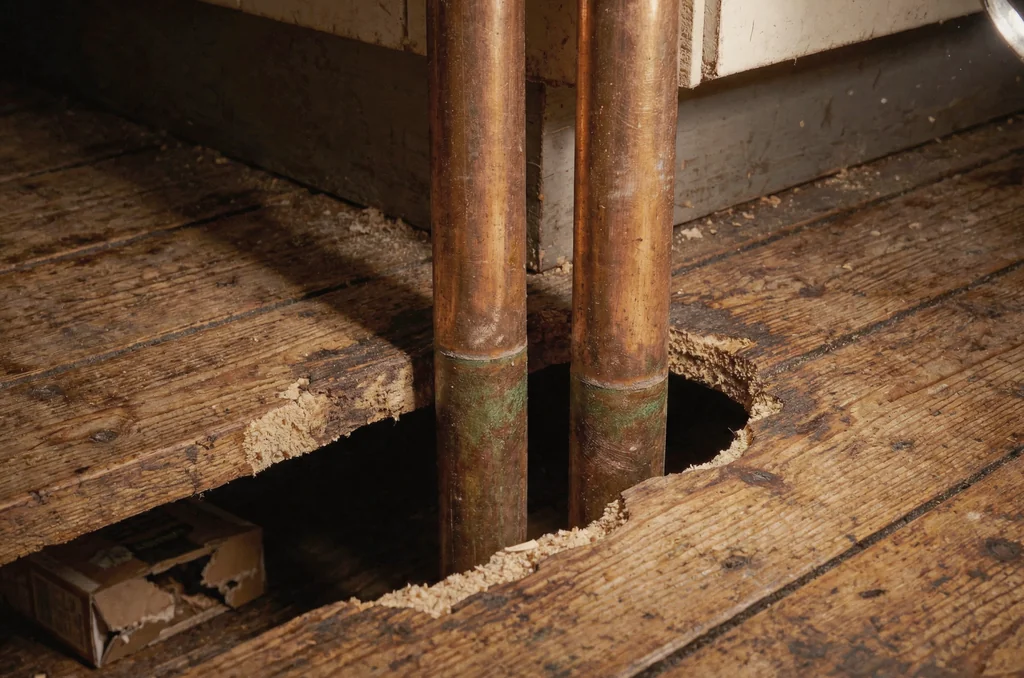
Behind kitchen units and around pipework
Start with accessible areas beneath sinks, beside appliances and around pipes entering walls. In a period property, alterations made over many years can leave awkward openings behind fitted cupboards. Check what you can see without removing fixed panels or reaching into concealed spaces.
Possible signs include droppings, gnawed packaging and repeated scratching. A sound by itself does not identify the animal. Note its location and timing, then look for other evidence nearby.
An inspection for mouse activity indoors should connect those signs with possible access points. Finding an opening does not prove it is the route being used, and covering one visible gap may leave others untouched.
Keep food in closed containers and clear accessible crumbs. Photograph suspected evidence before disturbing the area. Ask for cleaning advice appropriate to the material and location rather than handling droppings casually.
Shared buildings need a wider inspection
In converted flats, an apparent problem in one kitchen may involve communal areas or neighbouring units. Repeated activity near a boxed-in pipe should prompt questions about the spaces that pipe connects.
Tell the landlord or managing agent where the evidence appeared and whether another occupier has reported something similar. A building-wide record can help the technician decide which areas need access.
Persistent rat activity in buildings also warrants questions about external access, waste storage and drains. A rat seen outdoors is different evidence from gnawed food inside a storeroom.
Avoid sealing an opening that appears to be actively used before the route has been assessed. Give the technician photographs of both the indoor evidence and any accessible external opening.
Loft flies and kitchen flies point to different problems
Autumn fly sightings need a room-by-room assessment because sheltering flies and flies associated with food require different responses. Where they gather is often the first useful clue.
Flies gathering at upper windows
Cluster flies seek sheltered places for overwintering. A group around an upper window or loft space can therefore fit the autumn pattern without indicating a food source in that room.
Photograph the insects closely enough to show their appearance, then take a wider image of where they gather. Record whether they return after the visible flies have been removed.
Recurring cluster fly activity calls for identification and an assessment of access around the building. Do not climb onto a roof or enter an unsafe loft to investigate. Tell the technician if the affected space has difficult access or exposed insulation.
Flies returning around food and waste
Kitchen flies need a different line of enquiry. Check accessible food waste, recycling residues, forgotten produce and spills beneath movable items. Removing visible adults may leave the source of continued activity untouched.
In a restaurant, record where flies appear during preparation, service and cleaning. A concentration near one waste container gives a different inspection starting point from insects scattered throughout the premises.
Repeated kitchen fly activity should prompt source identification, especially when routine cleaning has not reduced sightings. Tell the technician what has already been cleaned and which areas remain inaccessible.
Photograph the insects before using a treatment that could obscure identification. Keep affected food and preparation areas protected while the source is assessed.
Late wasp activity makes the entry point more useful than the date
Autumn wasp sightings should be assessed through their pattern of movement. The calendar alone cannot establish whether a nest remains active.
An occasional wasp beside a drink or open window gives limited evidence. Repeated traffic through the same opening in an eave, wall or roof space is a stronger reason to seek an assessment.
Observe from a safe distance and record the opening. Note whether it sits above an entrance, beside seating or close to a window used every day. A short video can show the pattern without requiring a closer approach.
Assessment of active wasp nests should consider both identification and access. Do not block a regularly used opening, strike the structure or open a loft hatch to pursue the insects.
A wasp nest and a group of flies need different responses. If you are uncertain about identification, send a clear photograph and describe the movement you observed.
In a shared building, warn the managing agent about activity near communal entrances. Keep people away from the immediate flight path until the location has been assessed.
This week’s priorities differ between flats and food premises
London occupiers can make an autumn inspection more useful by collecting evidence and reducing accessible food sources. The order of work should reflect how the room is used.
Homes and rented flats
Begin with rooms where pests have appeared. A broad search through every cupboard can create disruption without improving the evidence.
Make a short record containing:
- The date, room and position of each sighting.
- Photographs of insects, damaged packaging or suspected droppings.
- Sounds heard in the same place on different occasions.
- Recent treatments or repairs that could affect an inspection.
Keep children and pets away from suspected contamination and any treatment already in place. Store food securely and remove accessible waste. Do not move bait stations or other control equipment without asking whoever installed them.
Tenants should send the record to their landlord or managing agent promptly. Include any access problem, such as a locked communal cupboard or an opening behind fixed kitchen furniture.
For shared buildings, an interactive inspection checklist could collect dated sightings by flat and room so the property manager can spot repeat locations.
Restaurants, cafés and small food businesses
Evidence in a food preparation or storage area deserves prompt attention. Keep affected stock out of use and follow the premises’ hygiene procedures while arranging an assessment.
Give the technician the location of sightings, the cleaning record and details of waste storage. Tell them about deliveries, shared bin areas and rooms that are only accessible outside service hours.
For example, if flies repeatedly gather beside a recycling container, record whether they remain after the container and surrounding area have been cleaned. That observation helps direct the inspection; it does not establish the species or source.
Where rodents may be moving between neighbouring premises, inform the property manager. Access arrangements should cover the suspected route as well as the room where evidence appeared.
An autumn call-out should begin with evidence and a clear scope
Choosing an inspection this October means establishing what the visit will cover, how the property will be assessed and what happens afterwards. A fast appointment is useful when those details are clear.
Identification and access come first
The British Pest Control Association has a pest controller search for people seeking a professional. Once you have identified a potential provider, explain the evidence before asking for a treatment.
Describe the pest if you can, but say plainly when identification is uncertain. A photograph, repeated location or damaged package may help the provider decide what information is still needed.
Ask whether the first visit includes inspection, treatment or both. Explain any concealed space, shared building area or access restriction that could limit the work. Check whether somebody needs to arrange entry to neighbouring or communal rooms.
For recurring activity, ask how the technician will assess the route and measure progress. A useful record should show where evidence was found and what remains to be checked.
The BPCA’s published pest management standards provide another starting point for understanding professional practice. Ask the provider which procedures apply to your particular pest and premises.
Price and household arrangements need written answers
A headline price is difficult to judge without knowing what it includes. Ask about inspection charges, treatment, follow-up visits and any separately priced proofing work.
For an urgent booking, establish whether an additional attendance charge applies. Confirm the appointment window and what happens if identification changes the proposed treatment.
Tell the provider about children, pets and food preparation areas before the visit. Request written instructions for access, preparation and any restrictions after treatment. The response should address the method proposed for your property.
If further building work is recommended, ask for the location and reason in writing. Photographing a specific opening gives a landlord or contractor something concrete to assess.
Questions London occupiers are asking this October
Autumn sightings often leave residents uncertain about urgency, safety and responsibility. These decisions depend on the evidence and the way the affected space is used.
Does one mouse sighting mean I need an emergency visit?
One sighting warrants attention, but it cannot establish the extent of activity. Check accessible food storage areas and record the location. Repeated sightings, damaged packaging or evidence in several rooms strengthen the case for prompt inspection. Activity in a food preparation area needs faster assessment than an uncertain noise in an inaccessible void.
Can I deal with autumn flies myself?
You may be able to remove visible flies and correct an accessible food or waste source. Continued sightings mean the source or access route needs more attention. Flies returning at upper windows need identification before you assume the kitchen is responsible. Seek an assessment if activity persists or the affected space is unsafe to reach.
How can I judge treatment safety around children?
Explain where children sleep, play and eat, then ask about the specific treatment proposed. Request written instructions for keeping them away from equipment or treated areas. A broad description such as “child-safe” does not tell you where a product will be placed or what restrictions apply. Confirm those arrangements before work begins.
Should I tell the landlord before arranging treatment?
Report the evidence promptly and keep a dated record of the message. Ask who will arrange inspection and access to shared areas. Responsibility can depend on the circumstances and tenancy arrangements, so obtain a clear answer rather than assuming. If food or an occupied room is affected, state that explicitly in your report.
Repeat activity will be the useful signal as autumn progresses
For London properties, the next useful signal is evidence returning in the same place. Fresh damage, another sighting beside the same pipe opening or flies gathering again after cleaning can justify widening an inspection.
Future council or BPCA updates should be read for their reporting period, pest categories and geographical coverage. A comparable monthly series would help establish whether autumn call-outs have risen across London. A publication date for such a citywide count is unconfirmed.
Meanwhile, keep one record for the property. Add each new sighting with its date and location, and share it with the person arranging the inspection.
If activity reaches food storage, appears across several rooms or involves an inaccessible shared route, report that change promptly. Take one clear photograph of the evidence and one of its surroundings before the appointment.